Munchkin cat breed
Tiny with a big personality, Munchkins cats are cute balls of fluff that love attention. Learn all about the Munchkin cat breed, from their diet and grooming needs to the price.
Pet insurance provided by Pinnacle Insurance Ltd.
Information on how we collect and use your personal data is available to read in our Privacy Policy
Munchkin cat breed information and advice
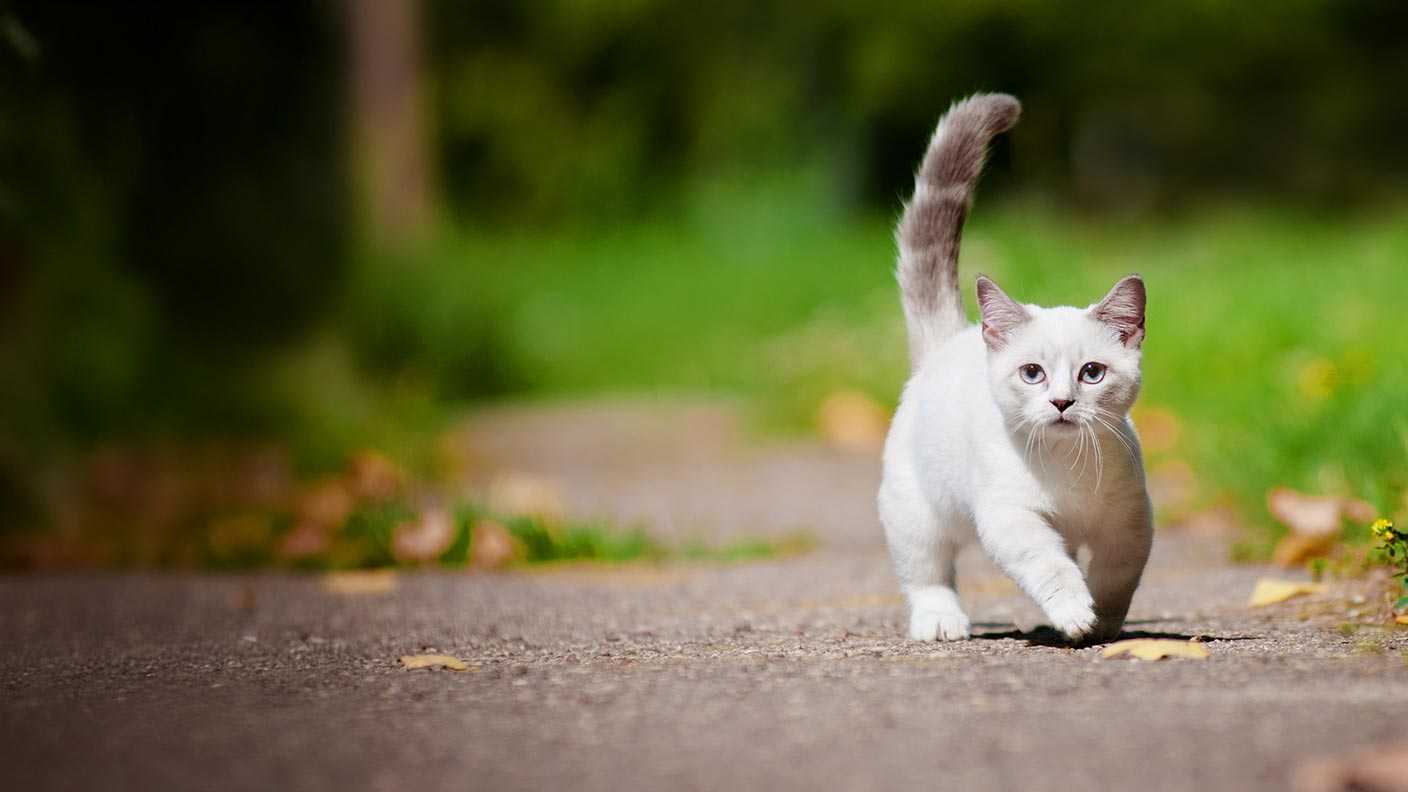
The Munchkin cat is a distinctive-looking feline due to its short legs and a long spine - the Dachshund of the feline world. Named after the Wizard of Oz characters, their little legs are the result of a genetic mutation. While dwarfism can occur naturally in cats, Munchkins have been bred specifically to look like this. This makes the breed somewhat controversial.
But their short legs don’t hold them back. These cats are energetic and playful. Munchkin cats make entertaining pets for most households, including those with other cats and cat-friendly dogs. So, if you’re looking for a cute kitty short in stature but big in character, a Munchkin could be the cat for you.
| Munchkin cat facts | |
|---|---|
Lifespan | 12-15 years |
How much | £200 - £2,000 |
Size |
15 - 23 cm |
Weight | 3-4 kg (male); 2-3.6 kg (female) |
Colours | white, blue, silver, brown, ebony, beige, lavender, orange, grey, chocolate |
Grooming | minimal, weekly brush |
Temperament | affectionate, outgoing and intelligent |
Exercise | high |
Insurance for your Munchkin
Munchkin cats are generally a healthy breed. But since they are a fairly new breed, not much is known about their long-term health. No matter how healthy the breed may be, it’s still important to protect your Munchkin with cat insurance. Having the right pet insurance in place for your Munchkin will help cover the cost of vet bills for surgery, medication and any ongoing expenses.
Common health problems that can affect Munchkin cats include:
The Munchkin cat lifespan is typical for a cat, and despite their stubby legs, they lead relatively healthy lives.
How to care for a Munchkin cat
Munchkins cats are low maintenance and easy to care for. And like any cat, you should make sure they have a balanced diet, plenty of exercise and regular grooming. Munchkin cats are also extremely active, so access to fresh water at all times is a must.
Feeding and nutrition
Munchkin cats may be tiny, but their appetite is large. Make sure you provide your Munchkin with a complete and balanced diet. If you buy your kitten from a breeder, they should be able to tell you how often and how much you should feed your cat. Try to feed your Munchkin cat the same type of food and at the same time every day. You can also ask your vet which cat food they recommend, and how much to feed your pet.
Because of their very short legs, it’s important that Munchkin cats avoid obesity and maintain a healthy weight. They may also need a wider, shallower feeding bowl than other breeds to ensure they’re comfortable when eating.
Grooming
Munchkin cats can be short-haired with a medium plush or long-haired with silky fur. Still, their grooming needs are minimal. Short-haired Munchkin cats just need a brush or comb once a week. Long-haired Munchkins will need to be groomed more frequently to keep their coats mat-free. You could also use a grooming glove if your cat doesn’t like being brushed or combed. If they get very dirty, you can give them a bath using a pet friendly shampoo.
Munchkin cats love to explore, so if you notice their paws snagging on clothes or furniture, it’s a sign their claws are too long. Invest in a scratching post or clippers to help keep their claws in good condition.
Exercise
Despite their short legs, Munchkin cats can run fast, climb and jump – although not as high as other cats. They’re also lively and love to play. As Munchkins have a high prey drive, they’ll especially love laser pointers, feathers, and catnip mouse toys.
Play is one of the best ways for your Munchkin cat to exercise and for you to bond with them. Aim for at least 15-30 minutes of play daily to keep them fit and stimulated. Munchkins are best suited as an indoor cat, but they will enjoy access to a safe, secure outdoor space to go exploring.
Training
Munchkins are intelligent cats that are easily trained. They can even be taught a trick or two, such as playing fetch and walking on a leash. Thanks to their boundless curiosity, Munchkin cats thrive most with interactive play and puzzle toys.
Toilet or litter training will be picked up quickly, especially when you reward them with cat toys and treats.
Temperament and behaviour
Being sociable cats, Munchkins do enjoy company – whether it’s with a human, another cat or dog. But, their personalities can vary like any other cat. Once you’ve spent some time with your Munchkin cat, you’ll get to know their personality and some of their interesting quirks.
Some Munchkin cats move like ferrets and can stand on their hind legs like rabbits to get a better view of what’s going on. They’re also known to like to collect shiny objects too. And after that, they’ll enjoy curling up on your lap for a nap. So, it’s safe to call them a lap cat.
So, is a Munchkin cat right for you?
These short and sweet cats make delightful pets and great companions for households who can give them lots of attention. They don’t like to be left alone all day and are best suited to families with older children, other cats, and cat-friendly dogs.
Frequently asked questions
How big are Munchkin cats?
Munchkins are small to medium in size. They range between 15-23 cm tall, which is notably smaller than the average cat size of around 25 cm. Munchkin cats have very short legs with round, compact feet which all point straight forward.
Are Munchkin cats family friendly?
Yes. Munchkin cats make great companions but need a family with lots of time for them. They don’t like to be alone for too long and love getting attention.
How long do Munchkin cats usually live?
The Munchkin cat breed lifespan isn’t much different to other full-sized breeds, averaging around 12-15 years.