Dachshund dog breed
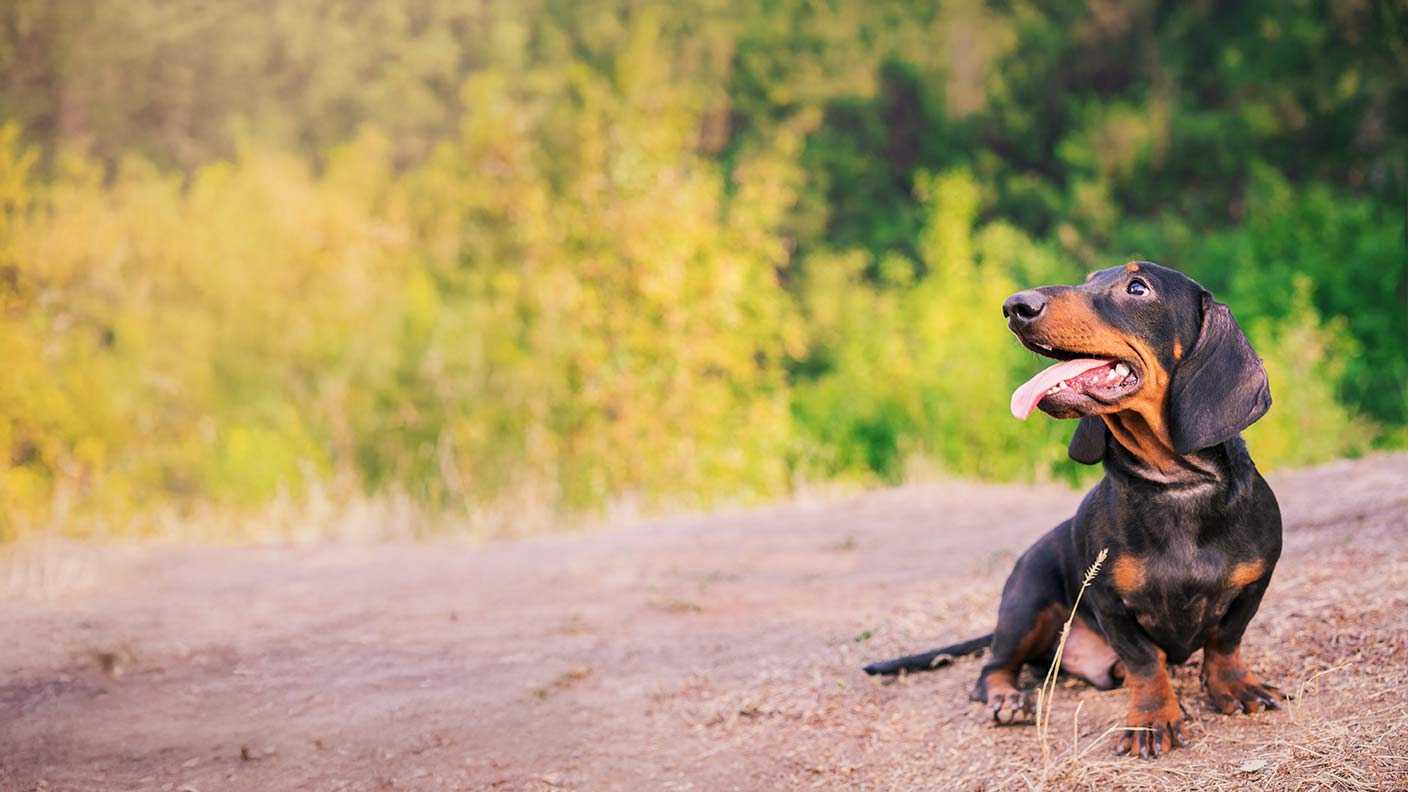
Dachshunds, the beloved sausage dog, are a unique breed with a lot of love to give. Information and advice.
Pet Insurance provided by Pinnacle Insurance Ltd.
Information on how we collect and use your personal data is available to read in our Privacy Policy
Dachshund dog breed information and advice
Dachshunds may be small and cute, but they will surprise you with their fearless attitude and big personality. Don’t be fooled by their little legs either, the Dachshund breed loves lots of walks and playing games.
This breed guide will provide you with all the information you need to look after a Dachshund, from puppy to adulthood. From exercise and diet to grooming and their temperament, read on for handy tips on caring for the mighty sausage dog before bringing your new friend home.
| Dachshund facts | |
|---|---|
Lifespan | 12 – 16 years |
How much | £700 – £2000 |
Size | 20 – 28 cm Standard, 2.5 – 17.5 cm Miniature |
Weight | 9 – 12 kg Standard, 4.5 – 5 kg Miniature |
Colours | Dapple, blue, silver, black, black and tan, chocolate, chocolate and tan, tan, cream, blue and tan, red, chocolate and cream |
Grooming | Weekly brushing |
Temperament | Fearless, stubborn and loving |
Exercise | 45 – 60 minutes a day, split into two walks |
Insurance for your Dachshund
As fearless as a Dachshund is, they are not exempt from health issues or injuries. Due to the way they are bred, Dachshunds are prone to back problems. The most common health issues among the Dachshund breed are:
- Intervertebral disk disease (IVDD)
- Generalised progressive retinal atrophy (PRA)
- Lafora disease (LD)
It’s important to consider getting pet insurance to make sure your sausage dog is covered for these conditions, as well as the cost of vet bills for surgery and medication. It can also help with any ongoing expenses and vet visits.
When taking out a new pet insurance policy, please be aware that pre-existing conditions are not covered and policy limits, excesses and exclusions apply.
How to care for a Dachshund
When looking after your Dachshund, you’ll need to think about their health care. Regular vet check-ups and vaccinations are important but don’t forget that their diet, exercise, training and grooming routine can all affect their health.
Feeding and nutrition
Dachshund puppies need to be fed small amounts, 3-4 times a day. This can be reduced to two meals a day for adult dogs. It’s easy for Dachshunds to become overweight and as they’re small dogs, they only need to be fed a small amount of food. Follow the feeding guidelines on the food packaging to make sure you aren’t over or underfeeding your dog.
Grooming
Short, smooth-haired Dachshunds don’t need grooming as often as wire-haired and long-haired ones. Brushing your pet weekly will stop the fur from matting. It also helps to cut down on shedding.
When grooming your dog, check its eyes, ears and teeth to make sure there are no signs of infection. Give their eyes and ears a gentle clean using a damp cloth. You’ll need to brush your dog’s teeth daily, with a soft bristle toothbrush and dog toothpaste, to prevent gum disease. Don’t use human toothpaste as it’s toxic to dogs.
You may think that Dachshund clothing is just for appearance, but there is a more important reason for your dog to have its own clothes. Jumpers and coats will keep your dog warm during the colder months, and help to keep them clean when the ground is wet and muddy.
Exercise
Most people think that small dogs don’t need much exercise, but this isn’t the case for Dachshunds. Small and fast in quick bursts, Dachshunds were bred for running after badgers and foxes. They are used to lots of exercise and should be walked for 45-60 minutes per day, split into two walks. Exercise will help to keep your dog fit and at a healthy weight.
Training
Training Dachshunds can be a challenge as they are an independent breed and not always obedient. However, they were bred for hunting so can be trained with patience and dedication. Dog training classes are a good place to socialise your dog and pick up tips. By doing this from a young age, they will learn not to fear other dogs.
Puppies are easier to house train than adult dogs, so start their training early. Give them the chance to go to the toilet in the chosen toileting area regularly. This can be either a puppy pad or in the garden.
Temperament and behaviour
Despite their size, Dachshunds have a bold temperament. They are curious and have the instinct to hunt, so they are not always the most obedient dog. However, they do become attached to their family so won’t stray too far from their side when out of the house. Though they’re generally well-behaved, keep an eye on them when they’re alone in the garden as they do like to dig and could easily escape under fences.
Your neighbours may complain of barking if you leave your dog at home alone. Barking when alone is a sign of unhappiness, not bad behaviour. Dachshunds like to have company and they love to cuddle, so make sure you have plenty of time to show them affection.
So, is a Dachshund right for you?
This fearless, lively little character will melt anyone’s heart. With big puppy-dog eyes and a huggable body, who doesn’t like a sausage dog? This breed is best suited to someone with a lot of love and time to share with them. They may act tough, but they’re sensitive and gentle and should be handled with care.
Frequently asked questions
Do Dachshund shed?
All three of the Dachshund coats shed, but the wire-haired sheds the least. Brushing your dog regularly will reduce the amount of fur that falls out. It will also help to keep their coat clean and healthy.
How long do Dachshunds live?
The average life expectancy for a Dachshund is 12-16 years. This is the same for miniature Dachshunds. Their lifespan is affected by their diet, exercise and health problems. Overweight dogs are more likely to suffer from back, heart and joint problems.
What were Dachshunds bred for?
Dachshunds were bred to track down badgers and foxes and flush them out of their burrows. Miniature Dachshunds were bred to fit in smaller rabbit holes. Despite this, they’re not aggressive unless they feel threatened. They become attached to their owners and can become protective of them. Socialising your dog will help stop this from happening and becoming a problem.
Do Dachshunds have back problems?
Due to their short legs and long body, Dachshunds are prone to back problems. Jumping and climbing stairs puts pressure on their back. Stair ramps and dog stairs are designed to help Dachshunds get around and stop them from jumping. The best way to lift a Dachshund is to put one hand under their chest and the other hand around their rear end.