Lop rabbit breed
Unmistakeable with their floppy ears and twitching noses, Lop rabbits make the cuddliest pets. Learn all about Lop rabbits and how to care for them in our guide.
Pet insurance provided by Pinnacle Insurance Ltd.
Information on how we collect and use your personal data is available to read in our Privacy Policy
Lop rabbit breed information and advice
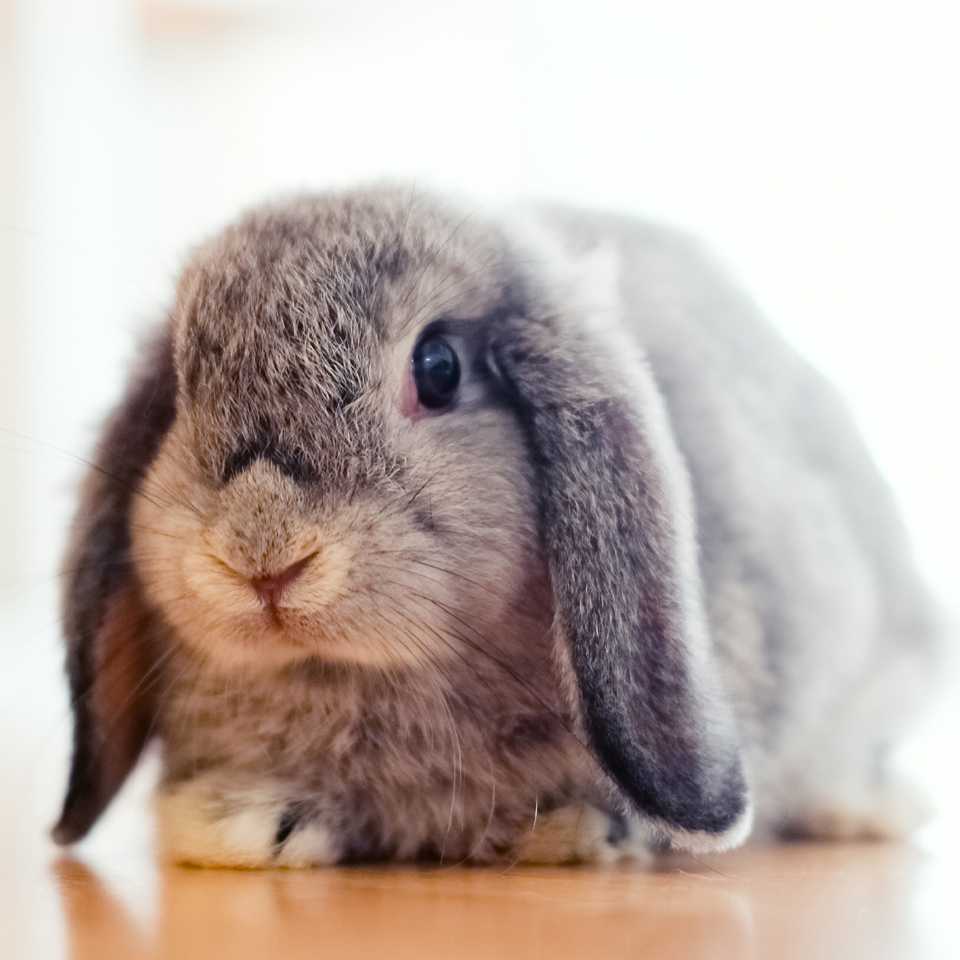
Instantly recognisable thanks to their signature floppy ears, Lop rabbits are super cute, snuggly bunnies. Friendly, loving and oh so soft, Lop rabbits make great family pets.
There are several different varieties of Lop rabbits, each with slightly different characteristics. These include:
- English Lop
- French Lop
- German Lop
- Holland Lop
- Mini Lop
- Dwarf Lop
- Mini Lion Lop
In this guide we’ll mostly talk about the English Lop, which is considered the original lop-eared rabbit. However, many of the care tips and advice will apply to all lop breeds. One thing they all have in common is their adorable floppy ears.
Read on to learn all about the Lop rabbit, from their care needs and diet to grooming and lifespan.
| Lop rabbit facts | |
|---|---|
Lifespan | Up to 10 years |
How much | £10 – £100 |
Size | 35 – 45 cm |
Weight | 4 – 5.5 kg |
Colours | black, fawn, opal, grey, red-eyed white, blue and black tortoise shell |
Grooming | low grooming needs but regularly check their ears |
Temperament | friendly, calm, placid |
Exercise | low exercise needs |
Pet insurance for your Lop rabbit
Lop rabbits are docile and gentle bunnies, but they can be prone to various health problems. Their long ears can cause them problems, and they can inherit other conditions too, such as:
- Misaligned and overgrown teeth
- Ear pain
- Excess ear wax
- Obesity
Taking out rabbit insurance can help protect you financially if your Lop rabbit needs veterinary care.
How to care for a Lop rabbit
Lop rabbits are cuddly, calm and very cute. They’re not hugely active bunnies, and their large ears can make them susceptible to the cold, so they’re better suited to living indoors. Find out more about caring for this loving breed below.
Feeding and nutrition
Rabbits need a good balanced diet. They should get most of their calories from grass or hay , with additional leafy greens, vegetables, and dry food to ensure they’re getting enough nutrients.
Lop rabbits aren’t fussy and will happily eat vegetable peelings, weeds and other things we might consider “waste”. It’s important not to feed your rabbit lawn clippings from your lawn mower, as these could contain petrol or chemical residue from the machinery. Lop rabbits can also be prone to weight gain, so it’s important not to feed them the wrong types of food.
Grooming
Lop rabbits have short fur that they will keep clean themselves, so they don’t require much grooming. But it is important to check their nails, ears and teeth regularly, as they can suffer from dental and ear conditions. Check for wax build up inside their ears, and examine their floppy ears to make sure they don’t have any cuts or sores that could become infected from contact with the floor.
Exercise
Lop rabbits are a docile and relaxed breed, so they don’t need much daily exercise. Exploring during a run outdoors or having some time to hop around indoors will keep them content. Their floppy ears can become damaged if they run around too much from dragging on the floor, so make sure to keep an eye on them.
Training
Lop rabbits are intelligent and can be trained to use a litter tray and even walk on a lead. They can also be taught to come when called, which is great if you let your lop roam freely in the house. Remember to use treats sparingly while training though, as lops can be prone to weight gain.
Temperament and behaviour
Calm and docile , Lop rabbits make great family pets. They are gentle and loving, and like nothing more than a cuddle or a stroke with their pet parents. They also need space to roam, whether that’s inside the house or in a run in the garden during warm weather.
So, is a Lop rabbit right for you?
Gentle and intelligent, Lop rabbits make ideal family pets. They’re easy to look after and don’t require much exercise or grooming, meaning they can be great companions for busy families.
But, their long ears do mean they need some additional care in the form of wax build up and potential injury from dragging on the floor. Rabbit insurance can help cover the cost of treatment or vet bills, to help you enjoy your bunny’s company with less stress.
Frequently asked questions
Do lop rabbits have more health problems?
Lop-eared rabbits are more likely to suffer from health problems than those with ‘erect’ ears. A 2019 study by the Royal Veterinary College confirmed they’re more prone to ear problems like ear pain and excess wax . And dental problems are a common as well – with misaligned and overgrown teeth affecting a lot of Lops.
Are Lop bunnies cuddly
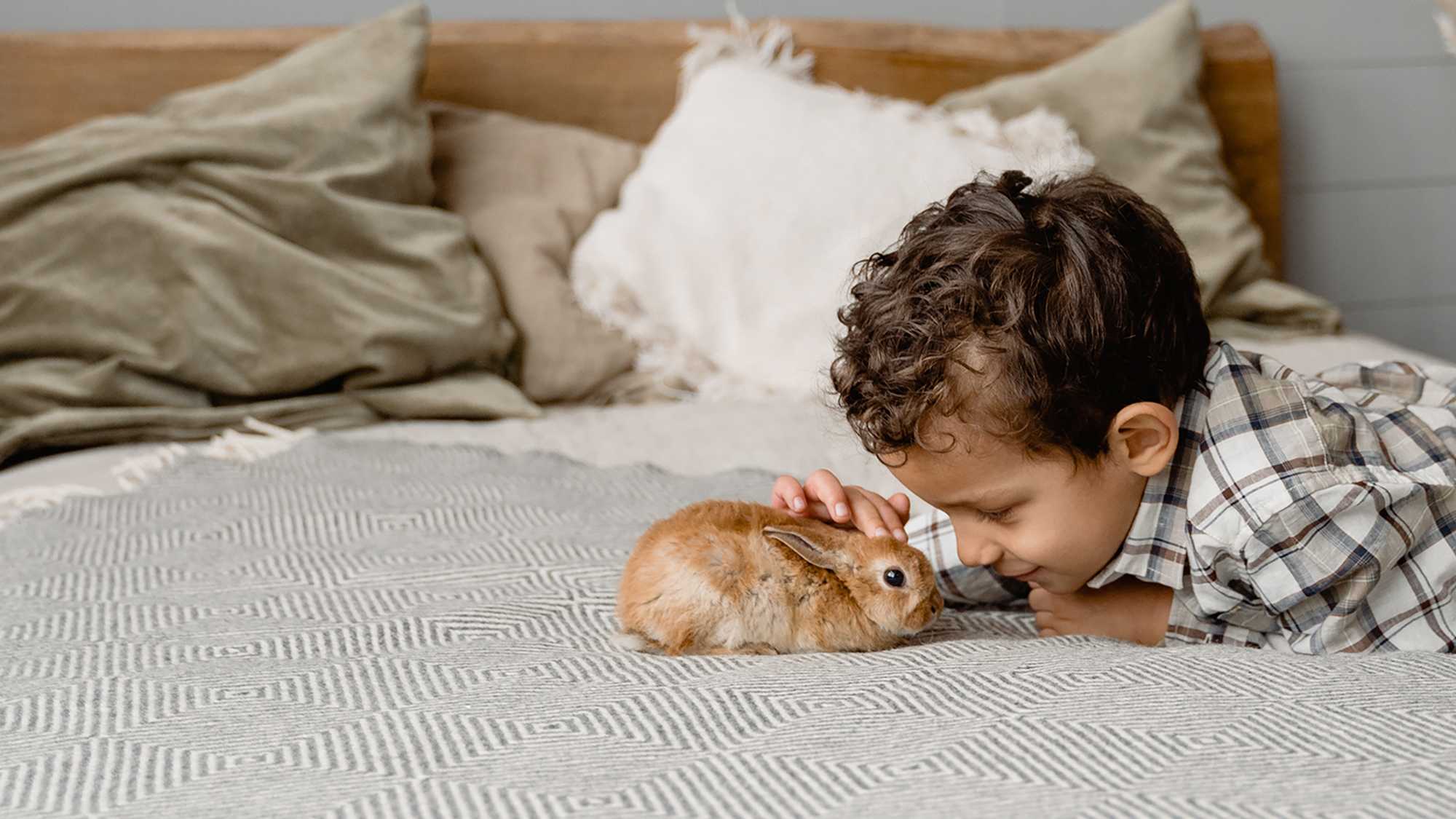
Yes, Lop bunnies are cuddly and friendly. They like to be stroked and are happy to be held and picked up, which makes them a great family pet suited to young children.
Are lop bunnies high maintenance?
Lop rabbits are generally easy to care for, with low exercise and grooming needs. As long as they have a balanced diet and space to explore, they will be content. They’re also easy to litter train so they won’t leave a mess around the house.