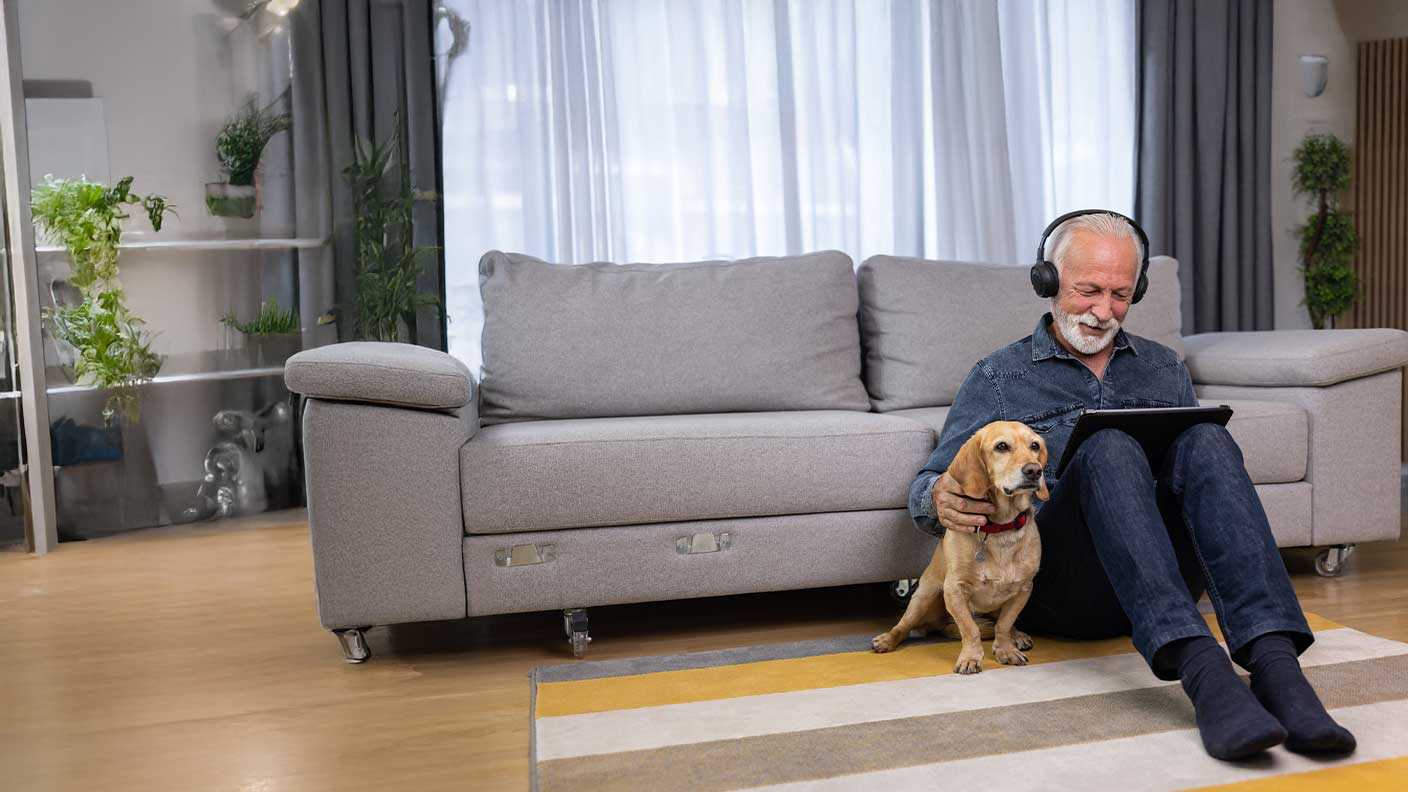
How to care for an older dog
Older dogs can be just as charming as they always were, but they’ve got different needs than when they were a sprightly pup. Your pooch should receive the best possible care at every stage of life, so learn the best ways to care for older dogs, from senior dog health to grooming tips.
Pet insurance provided by Pinnacle Insurance Ltd.
What health problems affect older dogs?
Just like humans, as dogs age, their health can decline. Dogs over the age of 12 are classified as old, meaning they are at greater risk of developing health problems.
Research from BSAVA highlights the main health concerns that affect older dogs includes weight-related issues, such as being over or underweight, and musculoskeletal problems, like stiffness and mobility.
It also suggests dental conditions, skin-related problems – from lumps to hair loss – and digestive issues are also common health concerns in older dogs. It’s important to spot any potential issues early, so keep on top of the signs your dog might not be healthy.
How to make an old dog comfortable
As your dog gets older, they’ll need some extra TLC. You’ll need to keep a closer eye on them and celebrate their old age with lots of head scratches and cuddles – but always respect their space.
Here are some of the ways you can help to keep your old hound feeling their best:
Safe and secure bed
As your best friend gets older, you may find they need more rest. A soft, cosy bed that’s free from any draughts can help keep them toasty – and give their joints a well-deserved throne. Position their bed somewhere quiet so they can retreat whenever they need to.
Easily accessible toilet area
Older dogs may need to visit the toilet more frequently, so it’s important they can access it easily. If you notice a change in your dog’s toilet behaviour, your vet will be able to advise on what to do.
Food and water within reach
Make things as easy as possible for your pooch. Keep their food, water and toys close by, so they don’t need to travel to find them. Raised bowls may also be more comfortable for dogs with mobility issues.
Floor rugs for better grip
Where possible, try to cover any slippery surfaces in your home with mats or carpets. Slippery floors can be tricky for older dogs to walk on, so this extra layer can help them to grip – especially if they aren’t as steady on their feet anymore.
Keep room layouts the same
Older dogs do best with predictable routines, so try to avoid changing too much to minimise stress. Keep your room layouts the same, as they may find comfort in this familiarity.
Consider ramps for stairs
Older dogs may experience some joint stiffness. You could provide senior dog mobility aids, like ramps, to help them up the stairs or in and out of the car.
Older dog nutrition and care
As your pet gets older, their dietary requirements change. They’ll start slowing down and may not be able to race around as much. Here are some nutrition tips to bear in mind when caring for an elderly dog:
Specialist senior diet
Your older dog’s diet will vary depending on age and breed. But once they reach seven years old, you may consider switching their food to a diet designed for senior dogs. A specialist senior diet ensures your pooch gets the right level of nutrients and an appropriate number of calories in their old age.
Always consult your vet before changing your dog’s diet. And ensure that any adjustments are made gradually to avoid tummy troubles.
Meal schedules
Your vet may advise you to feed your older dog smaller meals more often. But try not to cave to those puppy dog eyes – avoid overfeeding on snacks. Feeding little and often can also help increase a senior dog’s appetite.
If you have other dogs in the house, ensure your senior pooch isn’t having to compete for their meals against their younger – and potentially faster – packmates.
Regular monitoring
Monitor how much your dog is eating and drinking. If you notice behavioural changes or if your senior dog is losing weight, talk to your vet, in case there is an underlying medical concern.
No one knows your best friend like you do. If you think they’re acting out of character, consult your vet.
Senior dog health tips
Your older dog will have more specialised needs as they age, according to Blue Cross. Here are some senior dog health tips to consider to provide them with a happy and healthy life:
Consider neutering
If your dog hasn’t been neutered, there may still be some health benefits to the procedure. Speak to your vet for advice.
Check their teeth and nails
Don’t forget to monitor the condition of your dog’s teeth. Plus, as your pet’s walks get shorter, you’ll need to keep a closer eye on their nail length. They may need extra attention as they will be less worn.
Feel for lumps
One of our tips for older dogs includes daily grooming to help their coat. This also gives you a chance to check for any new lumps or bumps or skin conditions. Have a look between their toes, under their armpit and in and around the ears. Observe the condition of their coat to check for any signs that could highlight a health concern.
Monitor their weight
It’s key to stay vigilant for weight loss or gain in an older dog. Both can be a signal of an underlying health issue.
You can tell if your dog is overweight by looking at their frame. You should be able to see an hourglass shape when looking down at them from above and feel their ribs using light pressure.
If your pooch is losing weight, speak to your vet. They may be able to recommend a specialist diet.
Treatments and vaccinations
Stay up to date with all your dog’s routine treatments, like defleaing and deworming, as well as vaccinations. Dogs of all ages need protection against pesky parasites and diseases.
Be alert to behaviour changes
As your pooch gets older, keep an eye out for any behavioural changes. Be aware of the development of compulsive behaviours, like increased barking. This may just be a result of something troubling them, but it could indicate that they’re becoming deaf.
Your dog may also become less tolerant with age. It’s important to continue to try and stay in tune with their wishes and respect their space, according to Dogs Trust.
Ask your vet for guidance if you’re ever worried about a behaviour change. Even something small may have a medical cause and indicate a health concern – there is no such thing as a silly question when it comes to your pet’s health.
Regular vet check-ups
Vet check-ups are important for an aging dog. Take your pooch twice a year to make sure that everything’s okay.
Insure your dog
It’s never nice to think about your best friend being unwell or getting into mischief. But as they age, things may start to wear out and dogs can be more susceptible to health concerns.
Sainsbury’s Pet insurance may come in handy for unexpected vet bills and mishaps. We can help by ensuring your pets are looked after. And as we have no upper age limit on new policies, you can insure them as a puppy (from 8 weeks old) or as an older hound. Choose from Lifetime, Time-limited, Maximum benefit or Multi-pet policies to suit your furry family.
Frequently asked questions
How to give a senior dog its best life?
An older dog needs gentle exercise, a special senior diet, a comfortable place to rest and some extra TLC. They won’t have the energy of a younger pup, so you’ll need to regulate their food and exercise to keep them happy and healthy.
What not to do with an aging dog?
Try not to overexert an aging dog with rigorous exercise – a senior dog has different needs than a spritely pup. Allow your old hound to set the pace on walks and swap hikes for gentle strolls. But it’s also important to keep an eye on their weight, as older dogs are more at risk of obesity. Your vet will be able to advise on an exercise and diet plan.
What age is considered very old for a dog?
The age at which a dog becomes ‘very old’ depends on their breed. Dogs are generally considered old at 12.5 years. But smaller breeds, like Jack Russell Terriers for example, tend to age more slowly.