Mastiff dog breed
Mastiffs are big dogs with even bigger hearts and a tender nature that will win you over. Discover Mastiff care tips before bringing this patient pup home.
Pet Insurance provided by Pinnacle Insurance Ltd.
Information on how we collect and use your personal data is available to read in our Privacy Policy
Mastiff dog breed information and advice
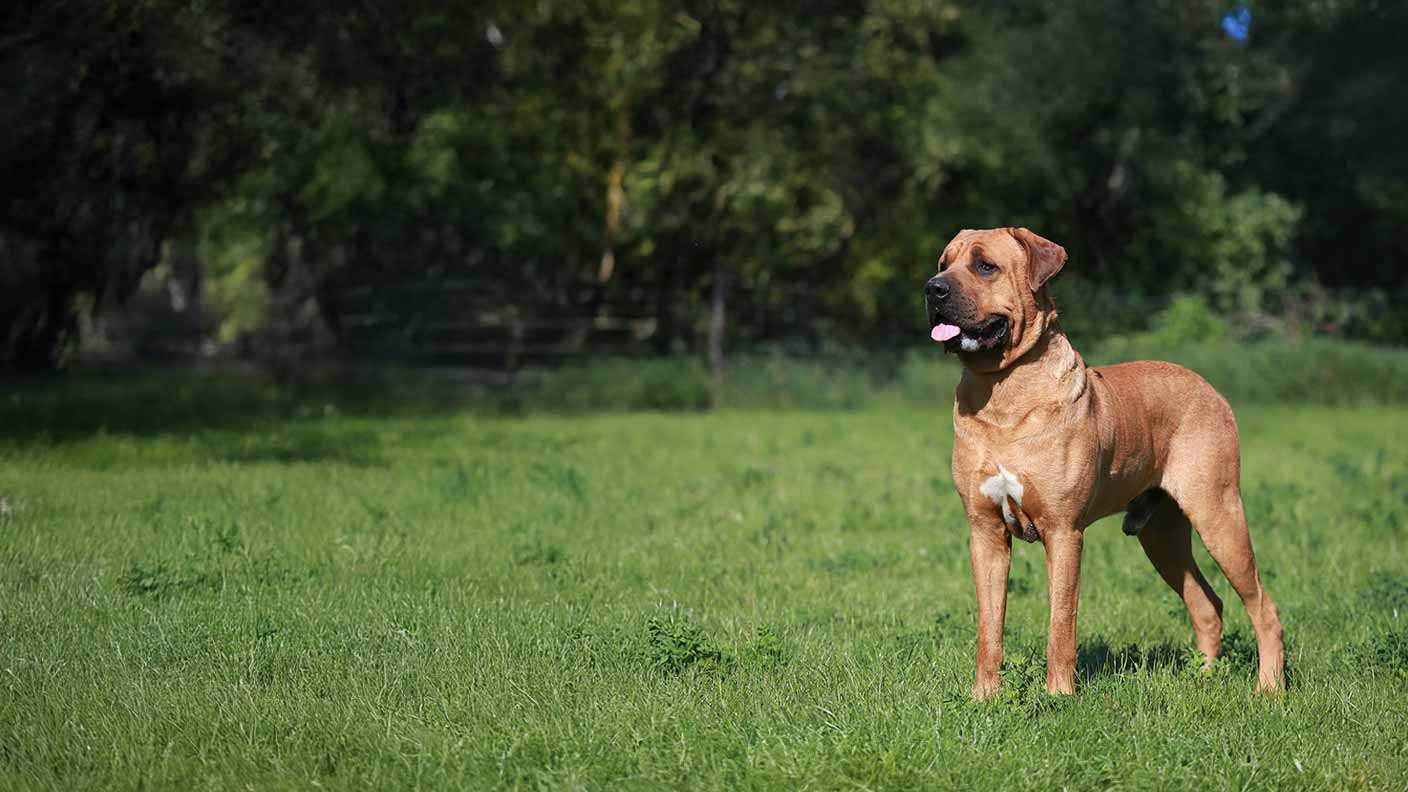
The mighty Mastiff is an ancient breed with a storied history. Also known as the Old English Mastiff, this powerful breed dates back to 3,000 BC. The Mastiff was historically used as a guardian and war dog in England. They even battled lions, bears, bulls and human gladiators in the arenas of ancient Rome.
Despite their imposing, muscular form, Mastiffs are docile and friendly canines that are happy to laze about. This guide covers everything you need to know about the noble Mastiff before bringing one home, from grooming and diet to exercise.
| Mastiff facts | |
|---|---|
Lifespan | 6 – 10 years |
How much | £250– £2,500 |
Size | 89 – 107 cm |
Weight | Males 72 – 104 kg, females 54 – 77 kg |
Colours | Apricot, brindle, fawn, silver fawn, dark fawn, red, black |
Grooming | Weekly brush and regular baths |
Temperament | Gentle, loyal, courageous |
Exercise | Around 60 minutes a day |
Insurance for your Mastiff
Like other large breeds, the Mastiff has a shorter lifespan than small-breed dogs. Having dog insurance can help to cover the cost of vet bills, treatment, medication and more, so you can keep your Mastiff fit and healthy throughout their lifetime.
Common health issues that can affect Mastiff dogs include:
- Epilepsy
- Entropion/Ectropion
- Gastric dilatation-volvulus (GDV)
- Cancer
Dogs can fall ill or have an accident at any age. If you’re lucky enough to have a mini Mastiff, why not take out puppy insurance? This makes sure your pup is covered from them being just eight weeks old.
How to care for a Mastiff
Mastiffs are gentle giants that make the perfect companion. They’re eager to please, easy to train and a dream to groom – but they do drool a lot! As one of the more low-maintenance dog breeds around, you can keep your Mastiff happy and healthy for years to come.
Feeding and nutrition
As one of the largest and heaviest dog breeds , it’s no surprise the Mastiff has a colossal appetite. They require a lot of wet and dry food, but the amount varies depending on their age, lifestyle and activity level.
Mastiffs benefit from a nutritious and balanced diet, including minerals and vitamins to support their joints. Berries and certain veggies can also work for their diet, but it’s important to know what dogs can and can’t eat to avoid giving them an upset tummy – or worse.
Mastiff pups should be fed large-breed puppy food, then switched to an adult formula once they reach 18-24 months old . Be careful to not overfeed them as Mastiffs are prone to bloating and stomach problems. Small and frequent meals work best. Always check the food packaging for feeding guidelines if you’re unsure.
Grooming
Mastiffs have a short, dense coat that’s easy to groom. A quick brush every few days or once a week should suffice. This breed tends to heavily shed once or twice a year, so you’ll need to brush more frequently with a strong, toothed comb. This is especially important before giving them a bath.
One of the Mastiff’s most prominent features is the deep wrinkles around their head, eyes and muzzle. This extra, loose skin should be regularly inspected and cleaned. And don’t forget their drool! Always keep a cloth nearby to clean their face and jowls.
Exercise
Mastiff dogs were bred to be guardians of the home, so their exercise needs are lower than other breeds. They make the perfect couch potatoes and they love to relax and snooze indoors.
This breed requires at least one hour of exercise per day and will enjoy leisurely walks or gentle playtime. They have a tendency to plop down if they’re tired or overheated, so time their exercise appropriately. Avoid overexercising Mastiffs when they’re young – this can strain the muscles and joints and lead to skeletal problems.
Training
Mastiffs are devoted to their owners and eager to please, which extends to their training. They’re quick learners but can lose attention and focus easily. In that case, they might lie down and snooze.
Early training and socialisation for your Mastiff dog is a must. And like any giant-breed dog, they should be taught to walk on a lead and harness. Mastiffs respond well to praise and positive reinforcement. They’re also big on eye contact and can read body language and expressions well.
Keep training sessions short and fun with activities like search and rescue, tracking and pulling carts. Your Mastiff will thank you for it, and maybe even sit on your lap.
Temperament and behaviour
The Mastiff breed is deceptively obedient with a docile nature. But as you’d expect, they can be protective toward their beloved families. Overall, they’re loving and good-natured softies that get on well with everyone.
Socialising your Mastiff dog early on is important to ensure they are well-adjusted around strangers and animals. They’ll also require proper training to establish boundaries and prevent any behavioural issues. If that’s the case, we can help your Mastiff along with our behavioural therapy cover.
So, is a Mastiff right for you?
Big in size and personality, the Mastiff breed is truly a treasure. Thanks to their gentle temperament, they’ll fit in well with a family or as a sole companion. They can underestimate their strength and size, so always supervise them when with children.
Training and socialisation is crucial for this breed, so you’ll need to devote time, patience and a lot of love – but the Mastiff will return it in kind. They’ll enjoy lounging on the sofa with you and the occasional walk – perfect for equally relaxed pet parents.
If you love large dogs, have plenty of space to share and don’t mind a big food bill, the Mastiff could be the dog for you.
Frequently asked questions
Are Mastiffs hard to train?
No, Mastiffs are easily trained due to their obedience and eagerness to please. However, they can get bored easily, so repetitive training methods may not work as well. Short and fun training sessions with positive reinforcement can keep your Mastiff engaged.
Is a Mastiff a good family dog?
Despite their appearance, Mastiffs are gentle and noble dogs. They’re devoted to their owners and love being part of a family, making them a great addition to the home. They may not realise their own size and strength, so playtime with children must be supervised.
Do Mastiffs have health issues?
Mastiffs are prone to certain health issues that are typically inherited. They’re classified as ‘Category Three’ by The Kennel Club, which highlights their heath conditions caused by breeding.