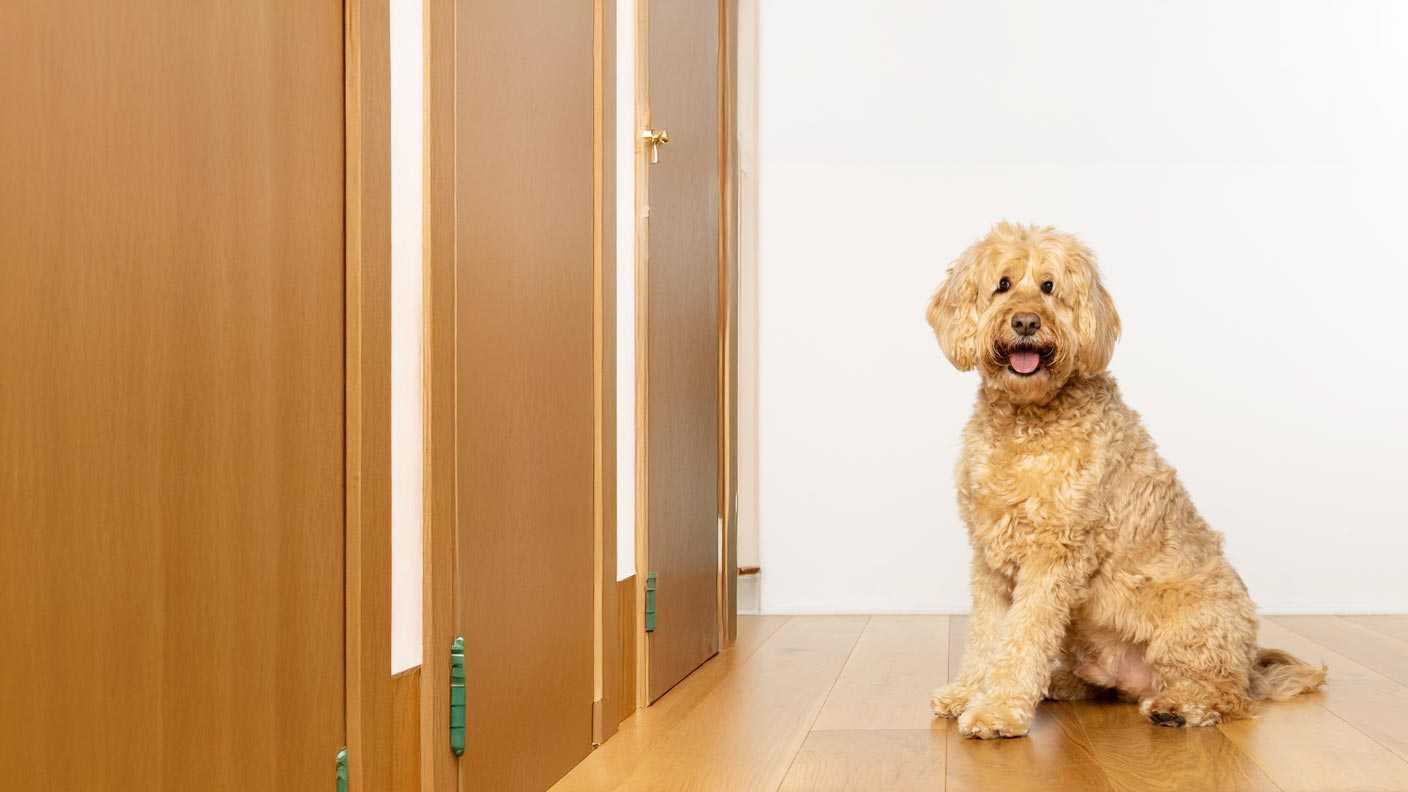
Labradoodle dog breed
Read our guide to Labradoodles dogs to learn more about these precious pooches. From their lifespan to the temperament of a Labradoodle, here’s everything you need to know about these loveable pups.
Pet Insurance provided by Pinnacle Insurance Ltd.
Information on how we collect and use your personal data is available to read in our Privacy Policy
Labradoodle dog breed information and advice
Labradoodle puppies and dogs are one of the most popular mixed-breeds and have swept into the hearts of dog lovers everywhere. Their cute coats and playful personalities have made this dog breed a popular choice for families. Plus, if the pup has inherited the coat of a poodle, they can also be a good choice for allergy sufferers.
As the name suggests, the Labradoodle was born from breeding a Labrador with a Poodle.
The Labradoodle size and weight depend on the parents, and whether a toy, miniature or standard Poodle was used in the breeding.
Here’s your go-to Labradoodle dog breed guide with facts and care tips to help keep your pup in tip top shape.
| Labradoodle facts | |
|---|---|
Lifespan | 12 – 15 years |
How much | £600– £3,000 |
Size | There are three size variations varying between 36 – 61 cm |
Weight | 7 – 30 kg depending on if they are minature |
Colours | Caramel, chocolate, cream, golden/apricot, parchment, red, chalk, black, silver, blue, lavender, phantom |
Grooming | May need clipping 6-8 weeks depending on brushing |
Temperament | Intelligent, affectionate, exciteable |
Exercise | One to two hours a day |
Insurance for your Labradoodle
Dog insurance for your Labradoodle will give you peace of mind when it comes to providing healthcare for your pet. Even the healthiest of dogs can have an unexpected tumble, so it’s good to know that their dog insurance can help when it comes to vet bills, illness or injury.
Having dog insurance for your Labradoodle ensures your pup can get the help they need and could come in handy to help pay for conditions like:
- Hip dysplasia
- Progressive retinal atrophy
How to care for a Labradoodle
While it’s easy to get caught up in the excitement of taking your Labradoodle puppy home, it’s important to know how to care for them to keep them happy and healthy. You need to understand their diet, exercise, grooming and training requirements as this will affect their Labradoodle temperament and behaviour.
Feeding and nutrition
The amount of food your dog needs depends on its size. Labradoodle size varies, depending on if they have been bred with a miniature or standard poodle. This means they need a diet to match. Generally, dog food is portioned depending on the dog’s size. You can check the food packaging to find out how much they should be eating.
A Labradoodle puppy should be fed three to four times a day. As they grow into an adult, this can decrease to one to two times a day.
Here are a few things to consider when it comes to feeding your Labradoodle:
- Mini Labradoodles prefer to be fed twice daily. Small dogs prefer smaller portions more frequently to suit their little stomachs.
- Standard Labradoodles would also benefit more from two meals instead of one, as it helps to prevent any stomach issues.
- If a dog eats a lot of food and exercises too soon before or afterward, it can cause their stomach to twist. This is a serious condition so should be avoided by not exercising your dog too close to mealtimes. Try to wait at least an hour after a meal before taking them for a walk.
- Weighing your Labradoodle’s food will make sure they are getting the right portion for their size and will help you control your dog’s weight.
Grooming
Labradoodle shedding is minimal, and their fur is curly, so their grooming needs are fairly low maintenance. If your dog has a short coat, it may need clipping every six to eight weeks, alongside regular brushing. This will depend on your personal preference and the thickness and curliness of their fur.
Labradoodles are considered a hypoallergenic dog breed because of their low shedding, which may make them a good breed choice for dog allergy sufferers.
Exercise
Walking your dog is the best form of exercise, especially if they have some time off lead. But make sure your dog is only let off its lead in a secure area. Labradoodles have lots of energy and are very playful, so need one to two hours of exercise every day to burn off all that energy.
Beware, if your Labradoodle doesn’t get the exercise it needs, it may display behaviour such as chewing, barking or running around the house. Exercise also helps to keep them at a healthy weight. Most Labradoodles love to play and are good at fetch, probably due to the Labrador energy in them. This is a great way to get some additional exercise.
Training
Both Labradors and Poodles are intelligent breeds, meaning that Labradoodles are too. This makes training them easy, although they can get distracted. They have a lot of energy and need to be kept interested in what they’re learning. Use toys or treats to reward them, making the training fun and enjoyable for both dog and trainer.
Training classes are a great way to socialise your pet and to pick up training tips. Labradoodle puppies should start toilet training from the first day you bring them home. House training is simple if you give your dog lots of chances to go to the toilet in the designated toileting area. Always praise and reward your dog when they go to the toilet in the right place.
Temperament and behaviour
Labradoodles have a lively personality no matter what size they are. The Labradoodle temperament makes them ideal pets for any age, but they are best suited to those who have the time to meet their exercise demands. They can display bad behaviour if they haven’t been able to release energy.
So, is a Labradoodle right for you?
A Labradoodle puppy is perfect for you if you’re looking for a loving and energetic addition to your family. Labradoodles are suited to owners who like to spend time outdoors and have lots of love to give. With minimal health conditions and pet insurance to cover your dog if needed, there is little to worry about with this breed.
Frequently asked questions
Do Labradoodles shed?
Labradoodles are generally low-shedders due to them having the curly coat of a Poodle. This makes them a good breed choice for those that suffer from dog allergies. Although no dog breed is completely hypoallergenic, low shedders are less likely to cause a reaction for allergy sufferers.
Is a Labradoodle a good family dog?
The Labradoodle temperament is lovely and friendly, making them perfect dogs for a family home. They have lots of energy and are very playful, making them great with children. Labradoodles need an active home, where they can get exercise every day.
Can Labradoodles be left alone?
Labradoodles are a social breed but can occasionally be left alone for up to eight hours. Labradoodle puppies need more attentive care and shouldn’t be alone for over two hours until they are older than six months.
How long do Labradoodles live?
Labradoodles have a life expectancy of 12-15 years. In general, small dogs live longer than larger dogs, so Miniature Labradoodles and Medium Labradoodles tend to live longer than the standard. Health conditions can affect a dog’s lifespan so make sure your dog receives the health care that it needs. Overweight and underweight dogs are more prone to health conditions.
How big do Labradoodles get?
The size of your Labradoodle depends on whether it was bred with a standard, toy or miniature Poodle. A standard will reach between 56-61 cm in height; a medium will be between 46-51 cm and a Mini Labradoodle will be between 36-41 cm. Their weight will also vary between 7-30kg, with a smaller dog being at the lower end of the scale.