Turkish Angora cat breed
Known for its long body and silken fur, the Turkish Angora is an affectionate cat. Discover more about this charming breed in our guide.
Pet insurance provided by Pinnacle Insurance Ltd.
Information on how we collect and use your personal data is available to read in our Privacy Policy
Turkish Angora cat breed information and advice
The Turkish Angora originated in the 15th century Ankara region of Turkey, formerly known as Angora. Its ancestry also lends to their original name, the Ankara cat.
Angora cats are considered a national treasure in Turkey and these beautiful cats are a rare find in the UK. Known for being intelligent, energetic and affectionate, they make entertaining family pets.
| Turkish Angora cat facts | |
|---|---|
Lifespan | 15 – 20 years |
How much | £100 – £650 |
Size | 36 – 41 cm |
Weight | 3-5 kg – 5 kg |
Colours | White, black, blue, silver, red, calico, tortoiseshell, silver |
Grooming | Weekly brush required |
Temperament | Intelligent, outgoing, affectionate |
Exercise | High |
Pet insurance for your Turkish Angora cat
The Turkish Angora is generally a healthy cat breed, but it’s always a wise to take out cat insurance should any illness or injuries occur. Cat insurance can help with the cost of any treatment that your pet may need, including dental treatment.
These common health conditions can affect Turkish Angora cats, including:
- Hypertrophic cardiomyopathy (HCM)
- Hereditary deafness
- Hereditary ataxia
- Chronic kidney disease (CKD)
With health issues occurring in cats at any age, it’s worth taking out pet insurance when your Angora cat is a kitten.
How to care for a Turkish Angora cat
Despite their semi-long, luxurious fur, Turkish Angoras are easy to maintain. They’re very sociable and love attention, so you can expect constant company.
Like all cats, Angoras need a balanced, nutritious diet and lots of exercise to keep them in good condition. To keep your cat happy, healthy and at their best, here’s some care tips to look after your Turkish Angora.
Feeding and nutrition
When you bring your new Turkish Angora kitten home it’s recommended to follow the feeding routine set out by the breeder.
If you want to change your Angora cat’s diet, you’ll need to do it gradually. Ask your vet to recommend a replacement cat food that best fits the needs of your Turkish Angora. They’ll be able to tell you how much to feed to keep them at a healthy weight.
Grooming
Despite being semi-longhaired, Turkish Angoras are fairly low maintenance. They’re single-coated with long, silky fur, which makes their coats easier to care for.
They will only need grooming with a comb or brush once or twice a week. They may need an occasional bath, especially if white or light-coloured. Fortunately, Turkish Angoras love playing in water, so this should take care of washing their coat. You should also brush their teeth with vet-approved toothpaste, checking for any gum disease at the same time.
Exercise
Turkish Angoras are energetic and enjoy being up high, so they can be found on top of bookcases or open doors. You could provide them with a cat tree or perch to scratch their itch of climbing.
Providing your Angora cat with interactive toys to play with can keep them from becoming bored and getting up to mischief. You should also devote time to play with them – at least 15 to 30 minutes a day. This not only maintains their kitten-like energy, but it’s also a great opportunity to bond.
Training
An intelligent breed, Turkish Angoras enjoy human interaction which means they can be easily trained. They’ll quickly pick up toilet or litter training, especially if they’re rewarded with treats. Angora cats also enjoy being taught new tricks such as playing ‘fetch’ or walking on a lead.
Thanks to their endless energy and curiosity, they should be kept indoors. This can help to prevent straying or theft.
Temperament and behaviour
Turkish Angoras like to be the boss of the household, they can be vocal and have alpha tendencies to be the dominant pet. Be wary when introducing a Turkish Angora into a house that already has pets. They’re curious and probably too active to relax on your lap for too long. They’ll be interested in whatever you’re doing and aren’t shy so you can expect them to be forward with visitors.
If allowed outside, make sure the space is enclosed and secure to keep them safe. Beware, they also have a strong hunting instinct so they can be good mousers and leave unexpected presents for you.
So, is a Turkish Angora cat right for you?
Turkish Angoras love attention and will fit in well with busy, active families, especially those with older children. They’re energetic, intelligent, and enjoy playing with their owners. They’ll get along with other cats and cat-friendly dogs, but they’ll want to be boss. Turkish Angoras may not cope well if left alone too long and if everyone is out at work all day, consider getting another cat or dog, albeit a submissive one, to keep them company.
Frequently asked questions
Are Turkish Angora cats rare?
Yes, although one of the world’s oldest natural cat breeds, the Turkish Angora is uncommon in the UK. The breed isn’t recognised in this country, although it is by most other international breed clubs. If you want to buy an Angora cat from a reputable breeder in the UK, there is likely to be a waiting list.
How to identify a Turkish Angora cat?
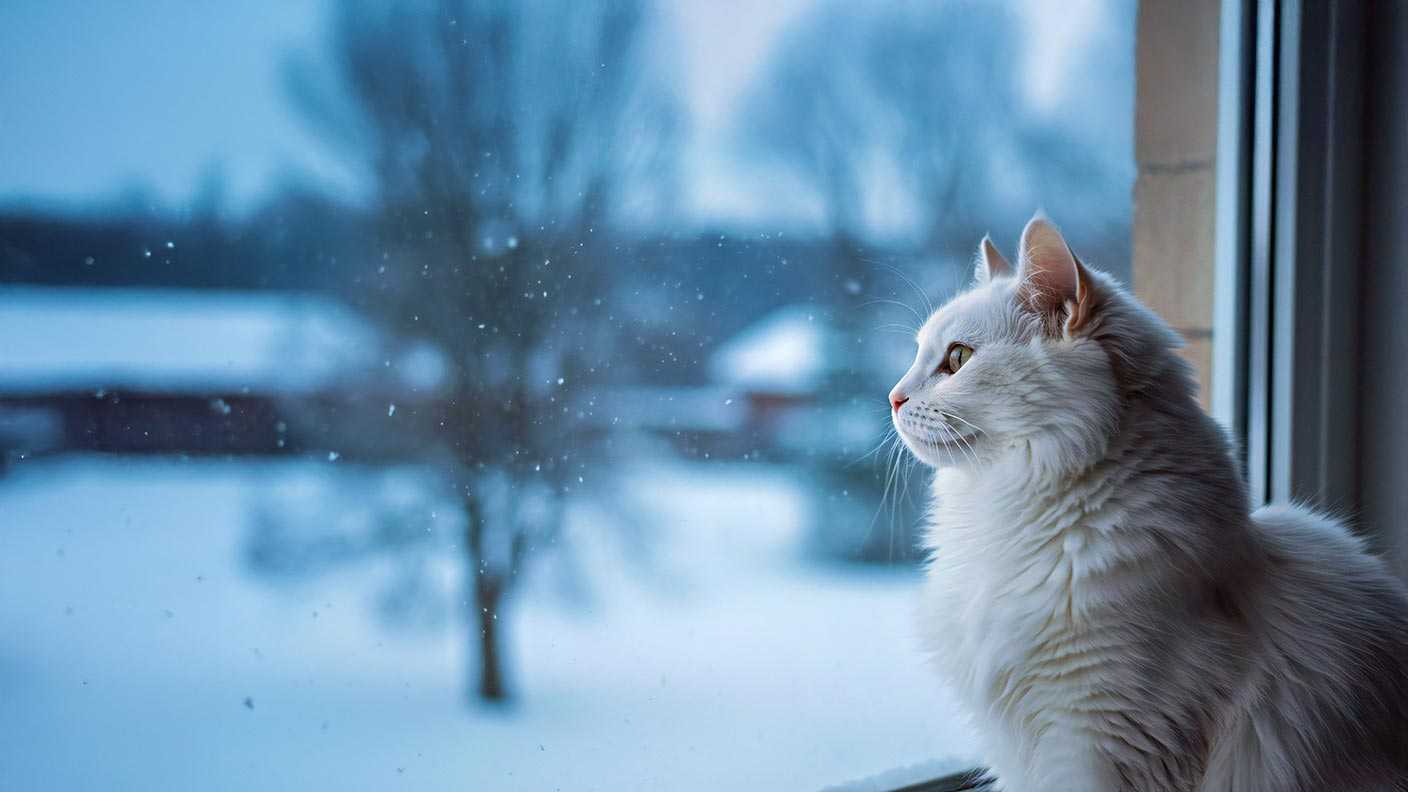
A typical Turkish Angora has a semi-long, silky coat and is fine boned yet muscular. It has a wedge-shaped head, tall, pointed ears, large, almond-shaped eyes and a long, fine and full tail. White is the most common colour, but many other colours can be seen, including black.
Do Turkish Angora cats like to be held?
Not especially, Turkish Angora cats prefer to be on the go as they’re quite active. But, don’t let this put you off, they are still very affectionate.