Siberian cat breed
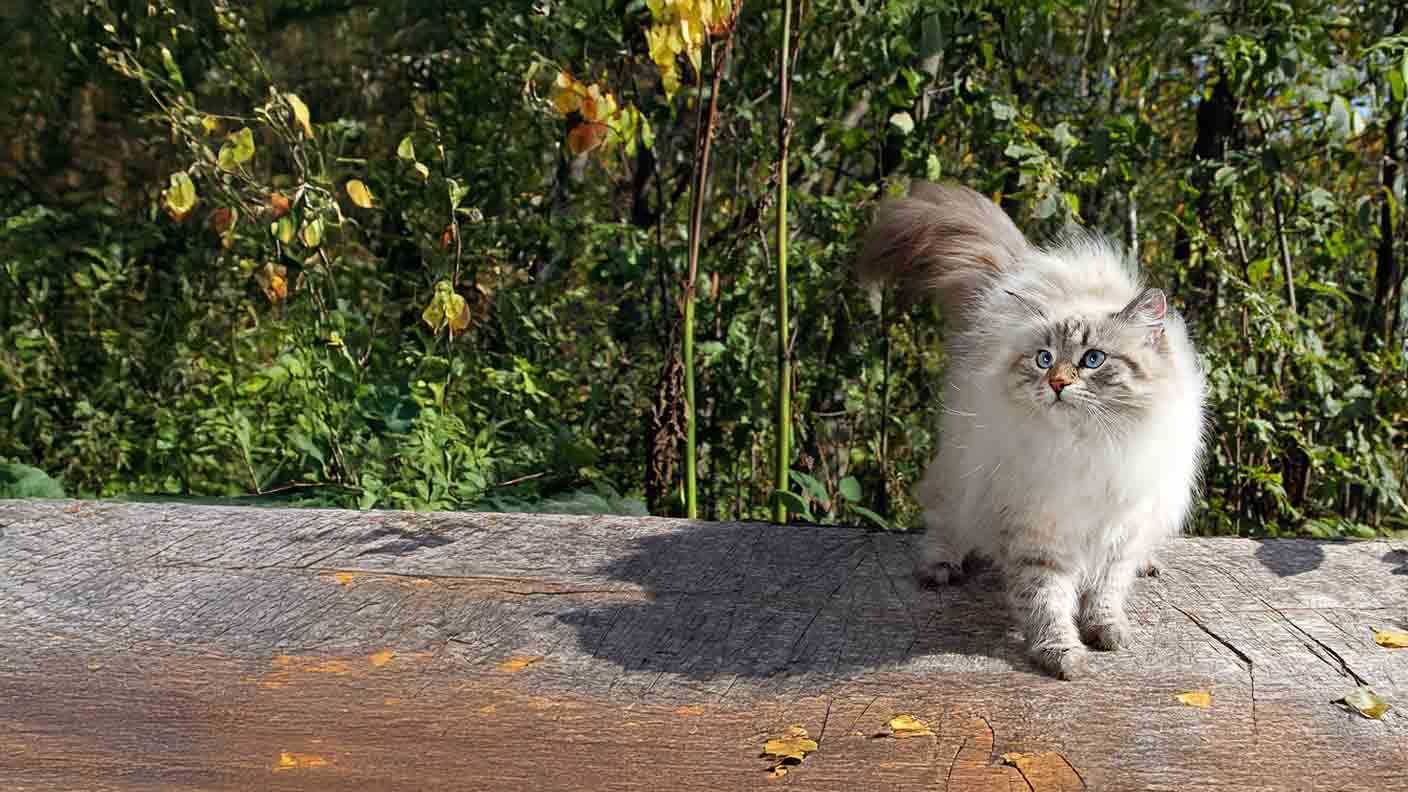
Siberian cats are a bushy bundle of fur, also known as Russian Forest cats. Their distinct ears, penchant for affection, and loyalty have made the Siberian cat an incredibly desirable domestic breed.
Pet insurance provided by Pinnacle Insurance Ltd.
Information on how we collect and use your personal data is available to read in our Privacy Policy
Siberian cat breed information and advice
The Siberian cat originated in the wild forests of Siberia in northern Russia and is often referred to as the Siberian Forest cat or less commonly the Russian forest cat.
Siberian cats love to be around people and will always be pleased to see you. They’re intelligent, playful and enjoy being trained. Which is probably why they’ve been described as the ‘dogs of the cat world’. Their laid-back personality means they’re good around children and makes them an ideal family pet. But before you welcome a Siberian cat into your home, here’s some key information you need to know.
| Siberian facts | |
|---|---|
Lifespan | 10 – 18 years |
How much | £350 – £1600 |
Size | 30 – 35 cm |
Weight | 4 – 9 kg |
Grooming | Requires a lot of grooming in spring and autumn |
Temperament | Affectionate, loyal, playful |
Exercise | High |
Pet insurance for Siberian cats
Remember to factor in cat insurance when you’re thinking about buying a cat. Although Siberian cats are a tough and robust breed, cat insurance will give you extra peace of mind. It’ll help cover unexpected and unwanted vet bills for medication, vet prescribed complementary treatment and surgery.
Siberian cats are a healthy breed in general, but there are some common conditions that you may want to look out for. These include:
How to care for a Siberian cat
Feeding and nutrition
A Siberian cat can take up to five years to become fully mature and they should have a cat food that matches their age, size and activity level. Follow the guidance on the packaging when it comes to how much to feed your cat.
Measuring out their food will ensure they have enough energy while reducing their chances of becoming overweight.
Grooming
Siberian cats are described as having a ‘semi-longhair, triple coat’ and they need grooming more frequently in spring and autumn where they moult heavier. This is when they shed their winter or summer hair in preparation for the new season’s coat. Special cat combs are available from your vet that minimise discomfort when grooming. But for the rest of the year, a Siberian cat will only need brushing with a cat brush or grooming glove once or twice a week.
They have a water-resistant coat, and baths aren’t usually needed as they naturally keep themselves clean and tidy.
The Siberian coat comes in a variety of colours and patterns – that means you could find a red Siberian or even a Siberian tabby cat, as well as tortie, chocolate, and grey variations. The result is 124 possible colour combinations for Siberian cats. Eye colour varies a lot too, from coppers to green and blue.
Exercise
Siberian cats are energetic and love to play. They can be kept as indoor or outdoor cats, but if kept indoors, they’ll need lots of toys to keep them amused. They’ll also enjoy having a perch so they can climb. If they have access to a garden, they love to play outdoors. If you’re concerned about them wandering off, you can teach them to walk on a lead so you can enjoy going out together.
They also love water so whether it’s a running tap or a garden pond, you’ll often find your Siberian cat playing there.
Training
Siberian cats are an intelligent breed. They love being trained and learning new tricks and should be quick to pick up toilet or litter training. They’re often described as having ‘dog-like’ traits and can be taught to play ‘fetch’. They’re very agile and are good at climbing and jumping.
Temperament and behaviour
A Siberian cat has a cheerful and playful personality. Their sweet nature makes them a good pet for children, but you shouldn’t leave young children unsupervised with any pet. Siberians will get on with other dogs and even other cats in the household. They’ll rush to greet you when you get home and will always be ready to play or get involved with whatever you’re doing. They’re also happy to curl up on your lap and have a cuddle.
So, is a Siberian right for you?
Siberian cats are fun and affectionate companions and will even win over the dog-lover in your family. If you want an energetic cat that can be trained to walk on a lead, this could be the breed for you. They’re also a good choice for people who suffer from cat allergies, although they are not entirely hypoallergenic.
Frequently asked questions
Where to buy a Siberian cat?
It is always best to buy from a trusted breeder. Make sure that the kitten looks healthy (clear eyes and ears, shiny coat and clean bottom) and ask to see the kitten along with its mother, and if possible, the father too.
How much is a Siberian cat?
You can expect to pay between £300 and £1,600 for a Siberian kitten. This may seem like a lot of money. But if you buy your kitten from a reputable breeder, they should have had any necessary health checks done. So, you can be safe in the knowledge you’re buying a healthy kitten.
Do Siberian cats shed?
Like most cats, Siberian cats do shed - but only a small amount in summer and winter. They will moult or shed more fur in the spring and autumn.
While no cat is completely hypoallergenic, Siberian cats are a good breed to have if you’re an allergy sufferer. They have a lower allergen level in their saliva than other breeds.
Are Siberian cats friendly?
Although they were once wild cats in Russia, Siberian cats are very friendly. They’re an easy-going breed and will get on with everyone including other pets in the household. They love a cuddle and will happily sit on your lap which makes them an ideal pet for all the family.