Russian Blue cat breed
Smitten for a Russian Blue cat or kitten? Learn all about the needs, grooming requirements and temperament of this intelligent and elegant breed.
Pet insurance provided by Pinnacle Insurance Ltd.
Information on how we collect and use your personal data is available to read in our Privacy Policy
Russian Blue cat breed information and advice
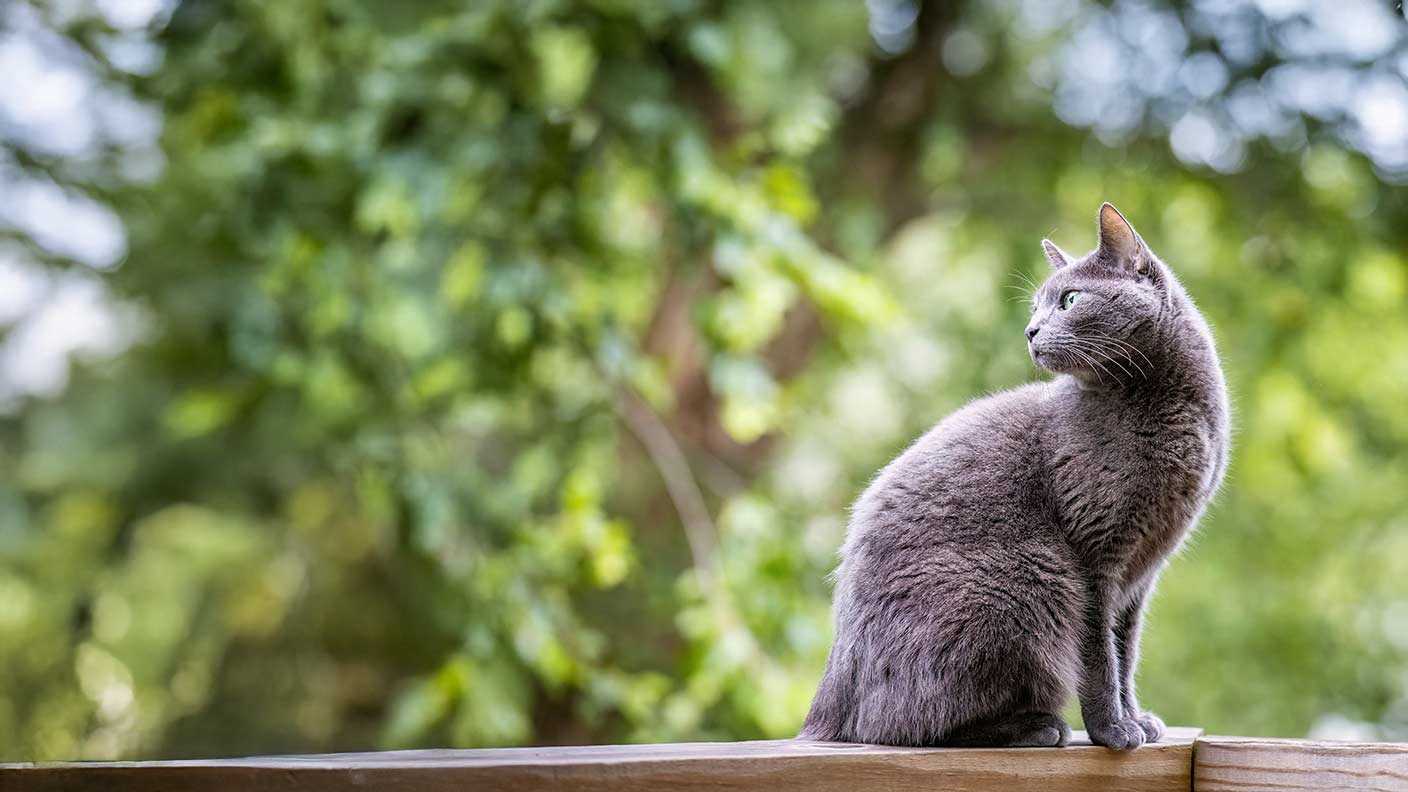
Russian Blue cats are thought to have been brought to the rest of Europe by sailors in the 1800s from Arkhangelsk island in Nothern Russia. Sometimes known as Archangel cats or Archangel Blues, they have a plush, shimmering short-haired coat and vivid green eyes.
Intelligent and playful, they do make great pets and are happy to be kept as an indoor cat. If you’re looking to bring a Russian Blue home one day you’re in the right place.
| Russian Blue facts | |
|---|---|
Lifespan | 15 – 20 years |
How much | £350 to £1,600 |
Size | Small to medium |
Weight | 3 – 7 kg |
Colours | Silver-blue shade without any white |
Grooming | Low, weekly groom |
Temperament | Intelligent, affectionate and loyal |
Exercise | Medium |
Pet insurance for your Russian Blue
It’s important to protect your Russian Blue cat with cat insurance. If they ever became poorly or have an accident, cat insurance can help to cover their treatment costs.
Accidents or illness can happen at any time, so get your feline’s cover sorted from them being just eight weeks old with kitten insurance. Remember, pre-existing conditions aren’t covered, so be sure to protect your pet before any problems arise.
Russian blue cat insurance could help you with the cost of vet bills, medications and treatments.
Common conditions that can affect the breed include:
How to care for a Russian Blue cat
Russian Blue cats are easy to care for. Like other feline friends, you need to provide a balanced diet and enough enrichment to keep them engaged.
These blue beauties may start off aloof but once you earn their trust, they’re very affectionate.
Feeding and nutrition
The Russian Blue breed loves to eat, so they can be prone to putting on weight. To keep them in shape, ask your vet which cat food they recommend and measure out their food. Also be mindful to keep the treats to a minimum – especially if using them as training aids.
This will make sure they’re not overfed and help to keep them at their ideal weight.
Russian Blue cats are slight in stature – don’t let this alarm you into thinking they’re underweight . If you’re worried, speak to your vet. They’re also rather vocal. So, if they’ve already had their designated portions, resist their bright doe eyes.
They also love a routine and don’t adjust well to change, so it’s best to stick to regular breakfast and dinner times.
Grooming
A Russian Blue’s plush coat is surprisingly easy to maintain. A comb or brush once or twice a week is all they need to keep it in good condition. Long-haired Russian Blue cats could do with twice-weekly grooms.
Russian Blues have a double coat. This means that their coat is made up of two layers, with the undercoat hairs the same length as the guard hairs. It’s the silver tips of the guard hairs that gives their coat their signature glimmer.
As Russian Blue cats originated from such a cold climate, they have an impressive number of hairs per square inch, making their coat very thick.
If you’re looking for a hypoallergenic cat. Russian Blue cats are one of the better breeds. While no cat is entirely hypoallergenic, they don’t shed as much hair as some breeds and produce lower levels of the glycoprotein Fel D1 – the allergen known to cause cat allergies.
Exercise
While muscular and athletic in build, Russian Blue cats have moderate exercise needs and require mental stimulation. Being active is important to keep them strong, healthy and trim.
Provide them with toys, and opportunities for climbing and jumping, especially if kept indoors. A perch or cat tree is ideal for this, unless you’re happy to find them sitting on top of a bookcase or cabinet.
Training
Russian Blue cats are highly intelligent and can even be trained to do tricks and play fetch. Their intelligence means litter training should be a breeze.
Temperament and behaviour
Russian Blues are intelligent, gentle, affectionate and quietly talkative. They’re loyal to their owners but can be a bit reserved with strangers. And they can be fussy about cleanliness and routine. Any changes to their environment, such as feeding times, unknown visitors or loud noises may not be appreciated.
Once you’ve earned their trust, you’ll be rewarded with a loving and affectionate feline friend. Russian Blue cats are happy to be indoors. They enjoy alone time, so can be left alone. But be prepared for playtime when you return home.
The breed is known for having dog-like traits and will often follow their owner around the house. They enjoy playing and like to climb and jump.
Most Russian Blue cats have a strong prey drive so you can expect them to be keen hunters. Keep small animals and fish at bay, and if you let them out regularly, don’t be surprised to find the odd present on occasion. Due to their stunning looks, Russian Blues can also be at risk of theft. Consider making your garden fully secured and cat-proof.
So, is a Russian Blue cat right for you?
With their short, luxurious blue coat, and intelligent nature, Russian Blue cats will be a welcome addition to most households. They make great companions. They can make great pets for elderly people, working singles, and first-time cat parents but do like a consistent routine.
Not all Russian Blues like to be lap cats. But once they’ve decided you’re their favourite human, be prepared to be followed around the house.
Frequently asked questions
Why are Russian Blues so special?
Russian Blues have stolen the hearts of the domestic cat kingdom due to their history, distinctive sheen and beautiful colour, loving nature and unique Russian Blue personality.
How big do Russian Blue cats get?
The Russian Blue is a medium-sized cat and can grow up to 25 cm in height. They generally weigh 3 to 7 kg with males typically larger than females.
Are Russian Blue cats expensive?
As a rare breed the Russian Blue cat price can vary from £350 to over £1,600. You’ll also have to add on pet insurance, food, and other pet care costs.
Do Russian Blue cats like baths?
It depends on your cat’s personal preference. They can keep their short, dense coats clean themselves and only need a comb once or twice a week to remove excess hair.