Exotic Shorthair cat breed
Information and advice.
Pet insurance provided by Pinnacle Insurance Ltd.
Information on how we collect and use your personal data is available to read in our Privacy Policy
Exotic Shorthair cat breed information and advice
The Exotic Shorthair breed was developed in the USA in the 1960s. The aim was to create a shorthaired version of the Persian by crossing an American Shorthair with a silver Persian. Initially intended to be silver only, the breed was named the Sterling breed. The name was changed to the Exotic Shorthair after Burmese and Russian Blue cats were used to cross with Persians and all colours were accepted.
In the UK, British Shorthairs were used to cross with longhaired Persians. After the initial outcrosses, the offspring are only allowed to be bred with Persians. Exotic Shorthairs are a relatively new breed that is gaining in popularity. Find out how to love and care for Exotic Shorthair breeds in our guide.
| Exotic Shorthair cat facts | |
|---|---|
Lifespan | 12-15 years |
How much |
£450 + |
Size | medium to large |
Weight | 3.5 - 6 kg |
Grooming | low |
Temperament | easy-going, friendly, affectionate, playful |
Exercise | low |
Insurance for your Exotic Shorthair
The Exotic Shorthair can have several breed-related problems owing to their Persian ancestry. Like Persian cats, they are flat faced (brachycephalic) which means they can be prone to a variety of conditions. Getting your Exotic Shorthair cat insurance will help with the cost of any treatment that your cat may need for illness or injury and help cover the cost of surgery.
How to care for an Exotic Shorthair cat
Exotic Shorthairs like all cat breeds, should be looked after, fed a balanced diet and given the chance to exercise to keep them as healthy as they possibly can be. Here are some tips on how to look after your cat.
Feeding and nutrition
Always feed your Exotic Shorthair a nutritious, balanced diet. There are lots of different types of cat food available and the breeder you bought your Exotic from will let you know what they’ve been feeding them. If you’re still struggling to find the right brand for your cat, you can ask your vet for their recommendation. Given an Exotic Shorthair’s natural build, they can sometimes look like a fat cat, but that may not always be the case. Just make sure that you don’t overfeed them or give them too many treats or you may end up with one.
Grooming
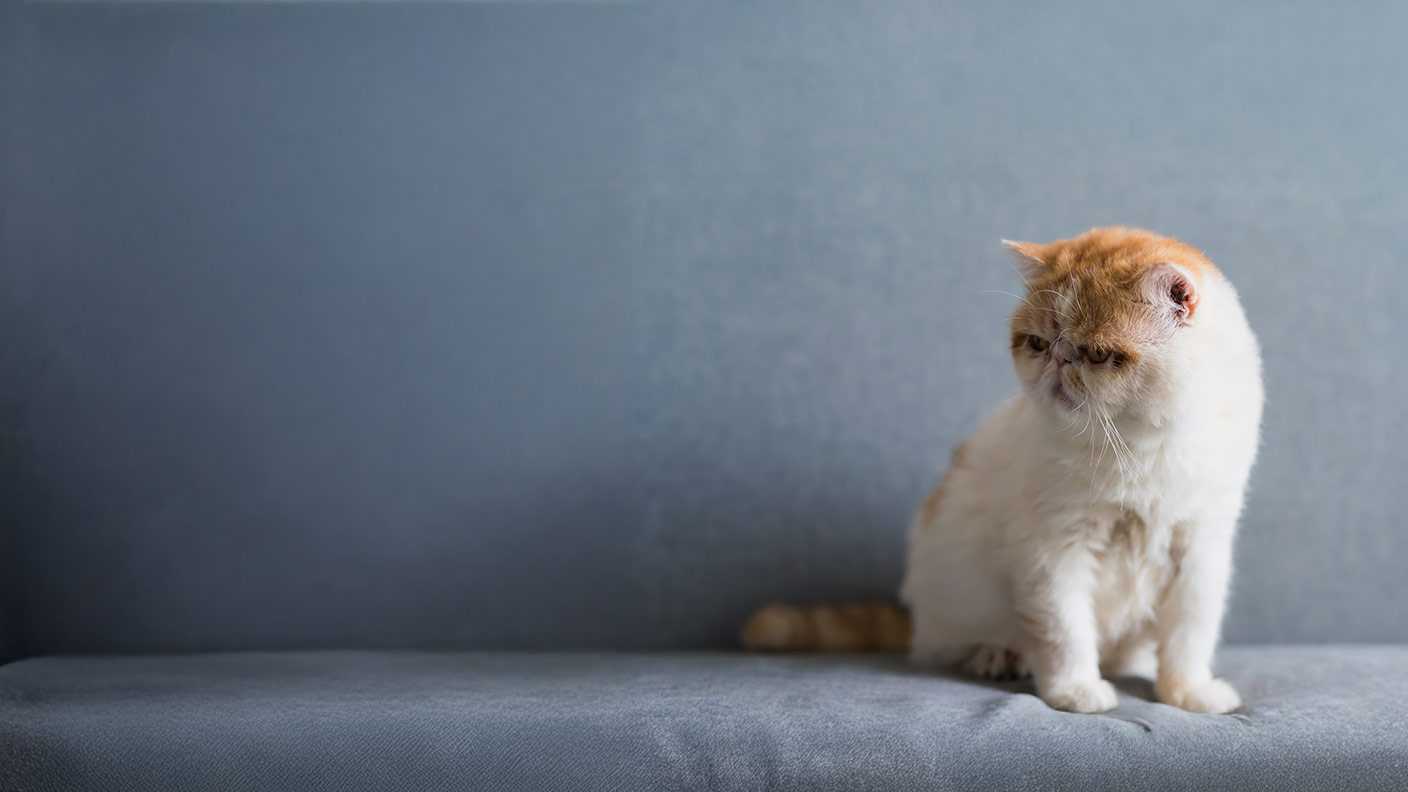
Exotic Shorthair cats have short coats with a soft, dense undercoat. Their coats can come in all colours and patterns. Compared to the Persian, they’re low maintenance. They’ll just need grooming with a brush, comb or grooming glove once a week. More grooming will be needed during the shedding seasons of spring and autumn.
Exotic Shorthairs have flat faces, which means their tear ducts don’t drain properly and can overflow. Tears running down their faces can cause staining, so use a damp cloth to wipe their faces and remove the stains. Clean their eyes and ears regularly but only give them an occasional bath, if they get very dirty. Their teeth should also be brushed regularly to prevent dental disease.
Exercise
Exotic Shorthairs have low exercise needs, but this doesn’t mean that they don’t enjoy playing. Provide them with lots of interactive toys to keep them busy and a perch or cat tree for climbing. They’ll also like a sunny windowsill to sit on and watch the world go by, but their favourite place though is likely to be your lap.
Training
Exotic Shorthairs are intelligent and will understand the meaning of ‘no’. Toilet or litter training will be picked up quickly. Always provide at least one litterbox per cat and make sure that these are kept clean.
Temperament and behaviour
Exotic Shorthairs are gentle and affectionate and love to be near their owner and follow you around the house. They’ll always be ready to curl up on your lap for a cuddle or nap. Their Shorthair ancestry means that they also like to play (making them livelier than Persians). Make sure you provide them with interactive toys and spend time playing together. They’re happy to lead a quiet life indoors. This doesn’t mean that they have given up their prey drive – you’ll find some to be good mouse hunters.
So, is an Exotic Shorthair cat right for you?
The Exotic Shorthair is ideal if you like the look of a Persian breed but don’t want a long-haired cat. If you want an affectionate lap cat, this is the breed for you. They don’t like to be left alone too long and prefer to be indoors. Their easy-going and gentle nature means that they make great pets for families with children, other cats, and cat-friendly dogs.
Frequently asked questions
How big do Exotic Shorthair cats get?
Exotic Shorthairs are medium to large cats. They can look chunky due to their heavy bone structure and thick fur. Females weigh between 3.5-5 kg, while males can weigh over 5.5 kg. They have fairly short legs.
Can Exotic Shorthairs go outside?
Exotic Shorthair cats can go outside if you have a safe, enclosed area. However, they are home-loving breeds and are happy to be indoor cats.
How long do Exotic Shorthairs live?
The average lifespan of an Exotic Shorthair is 12-15 years. This will depend on how well they’re cared for and whether they’re free from any inherited conditions.