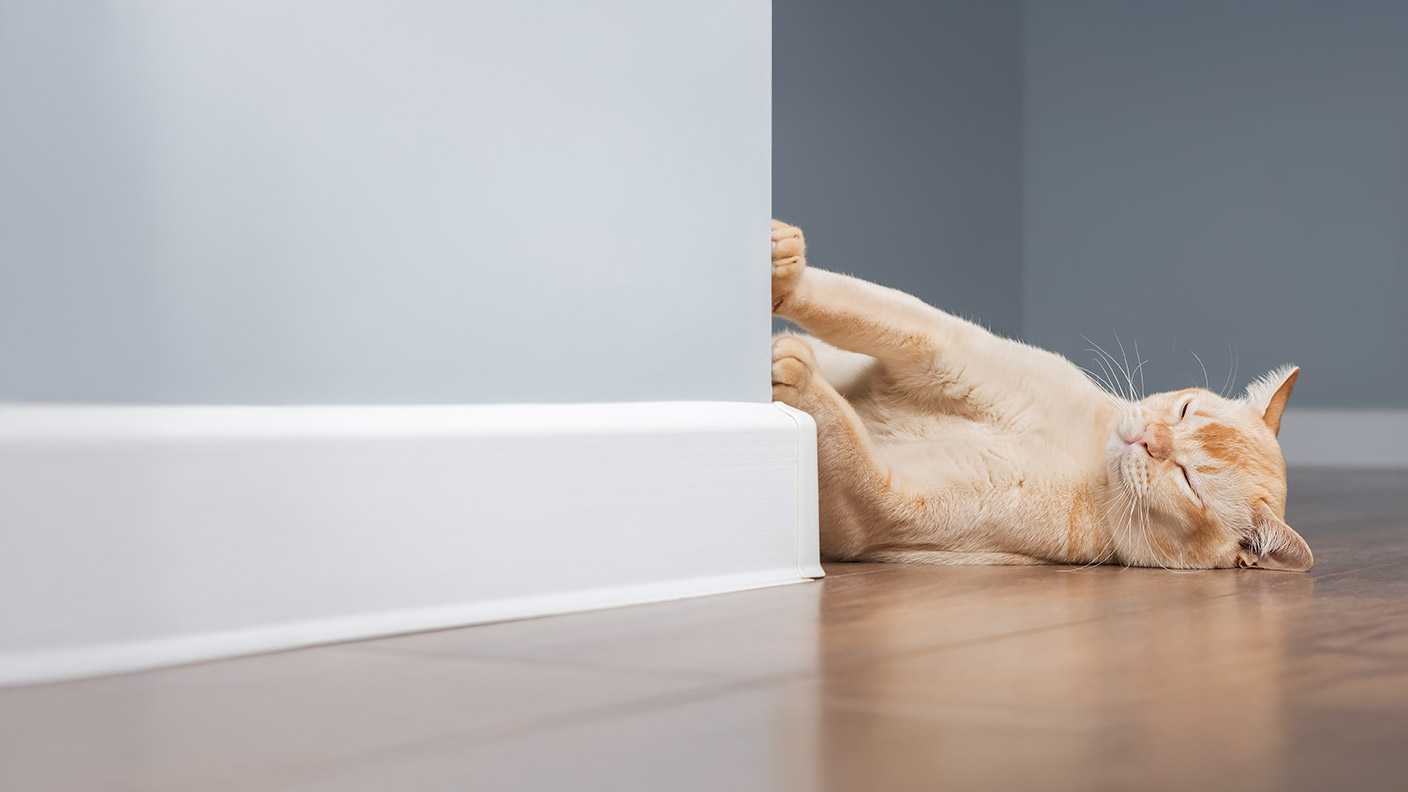
Burmese cat breed
Playful, energetic and highly intelligent, Burmese cats make the perfect family pet. Learn all about this dog-like breed with our guide, from diet to training.
Pet insurance provided by Pinnacle Insurance Ltd.
Information on how we collect and use your personal data is available to read in our Privacy Policy
Burmese cat breed information and advice
The Burmese cat breed originated in the US in 1930 after a dark brown cat from Burma (now Myanmar) was mated with a seal point Siamese cat. The breed arrived in the UK in 1949, and they’ve stolen the hearts of pet parents ever since.
Burmese are active, curious and friendly cats. They’re also sometimes noisy thanks to their talkative nature. As an incredibly social breed, they’ll want to be involved in whatever you do. These charming felines love company and don’t like to be left alone all day. So, if you’re looking for a snuggly companion that loves human interaction, the Burmese cat might be just for you.
| Burmese facts | |
|---|---|
Lifespan | 10-18 years |
How much | £450 and £1,250 |
Size | 25-30 cm |
Weight | 5 - 7 kg (male); 3-5 kg (female) |
Colours | brown, blue, chocolate, red, lilac, cream, orange |
Grooming | minimal, weekly brush |
Temperament | friendly, affectionate, sociable |
Exercise | high |
Insurance for your Burmese
Burmese cats can have some inherited health issues, so it’s wise to take out cat insurance. Cat cover can help you manage financially with any unexpected vet bills, as well as theft or straying.
Burmese cats typically lead long and healthy lives but there are a few common health problems that can affect Burmese cats including:
How to care for a Burmese
Burmese cats are agile felines with plenty of energy. They’re also inquisitive, intelligent and playful. In short, life with a Burmese is never dull. Providing your kitty with the right level of care can help them to lead a happy and healthy life.
Feeding and nutrition
Like all cats, Burmese cats thrive on a complete and balanced diet. But, they can be fussy with their food, and they’ll be sure to let you know. Make sure you provide your Burmese with the right level of nutrition to maintain their lean build.
Ask your breeder which cat food they used and continue with this brand. If you want to change their food, do so gradually to avoid any tummy upset. Feed according to the recommendations on the packet so you don’t overfeed them.
Grooming
Burmese cats have a soft, short coat that doesn’t shed much, so their grooming needs are very minimal. A weekly brush or comb is all that’s needed to keep their soft and silky coats in good condition.
Don’t forget to trim their nails and clean their ears regularly, too.
Exercise
Known for being lively and energetic, it’s no surprise that Burmese cats retain their kitten-like characteristics well into adulthood. Despite their high energy levels, they’re best kept as indoor cats. Make sure they have lots of interactive toys to play with to keep them active and stimulated.
The Burmese are also very good climbers and have a knack for getting into little nooks around the house. Invest in a perch or cat tree, ideally by the window so they can view the world around them. If you let your Burmese outside, it’s recommended they have a collar with a bell attached to prevent straying.
Training
Training your Burmese cat can be a breeze. This breed is extremely clever, so they will pick things up quickly, including toilet training. They’ll enjoy puzzle toys and games such as playing ‘fetch’. They can also be taught to walk on a lead and perform various tricks.
Interactive play with your Burmese cat does wonders for their mental stimulation. This can include anything from cat wands and laser toys to everyday objects like string and yarn.
Temperament and behaviour
Burmese cats love human attention and will follow you around the house. Be prepared for a constant companion. They’re often described as having a playful, ‘dog-like’ personality that’s affectionate, so expect loving cuddles and snuggles. They can also be talkative and can carry on a conversation with a voice that’s described as being raspy or a soft rumble.
Not known to have a high prey drive, Burmese cats can be curious, and their friendly nature makes them less fearful of strangers or threats. To keep them safe, they are best kept as indoor cats.
Is a Burmese cat right for you?
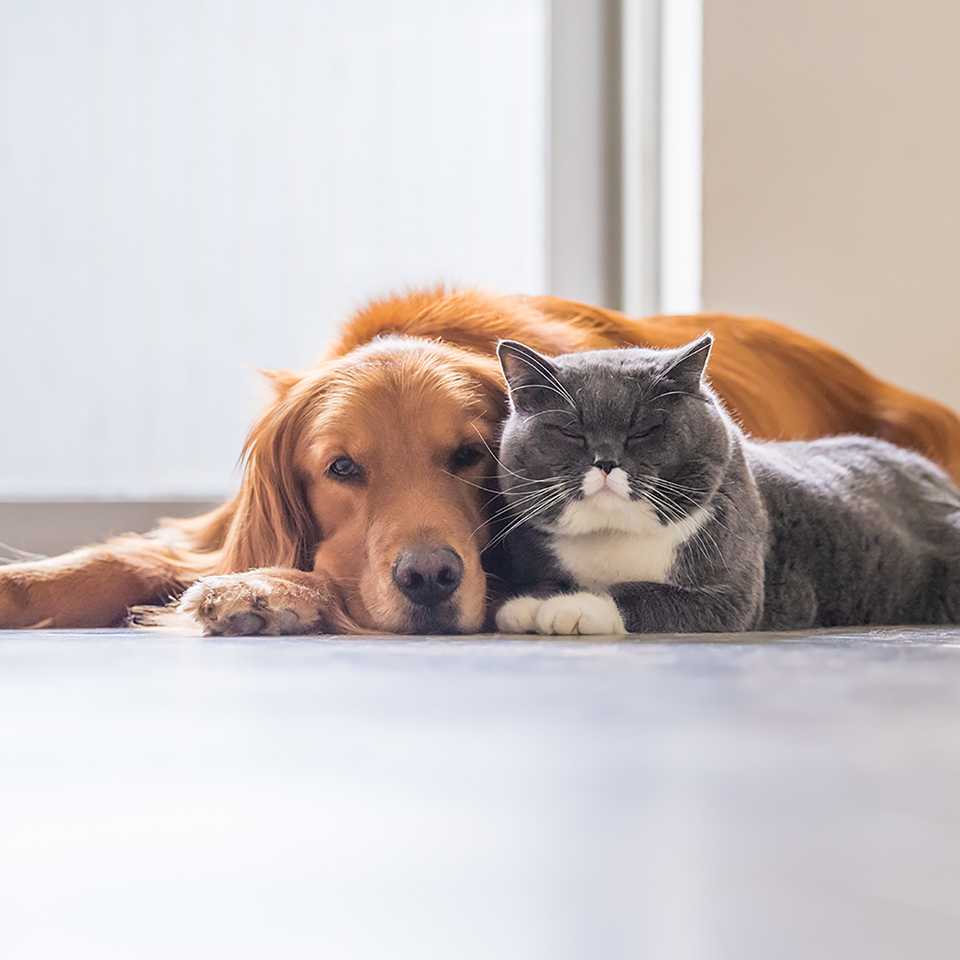
With their intelligent and playful personalities, Burmese cats charm everyone they meet. They’re low maintenance for grooming but don’t like to be left alone too long. They’ll fit in well in families with children and households with other cats and cat-friendly dogs. If you can give them lots of attention, the Burmese will be the perfect fit for you.

Frequently asked questions
Are Burmese cats hypoallergenic?
No cat is completely hypoallergenic – they all produce the protein in their saliva that is the cause of cat allergies. However, Burmese cats are considered to be one of the breeds that produce less dander and less of the protein Fel D-1 in their saliva. This means that they might cause less of an allergic reaction.
How long do Burmese cats live?
Burmese cats have a life expectancy of 10-18 years. They’re incredibly intuitive and playful, which means they have the ability to stray when outdoors. With cat insurance, you can get cover for your Burmese cat for straying, theft, illnesses and more to give them a chance at a happy, healthy life.
How much does a Burmese cost?
Burmese kittens will cost anywhere between £450 and £1,250. This does depend on the region and the breeder. Make sure that the breeder is a reputable and registered Burmese breeder.