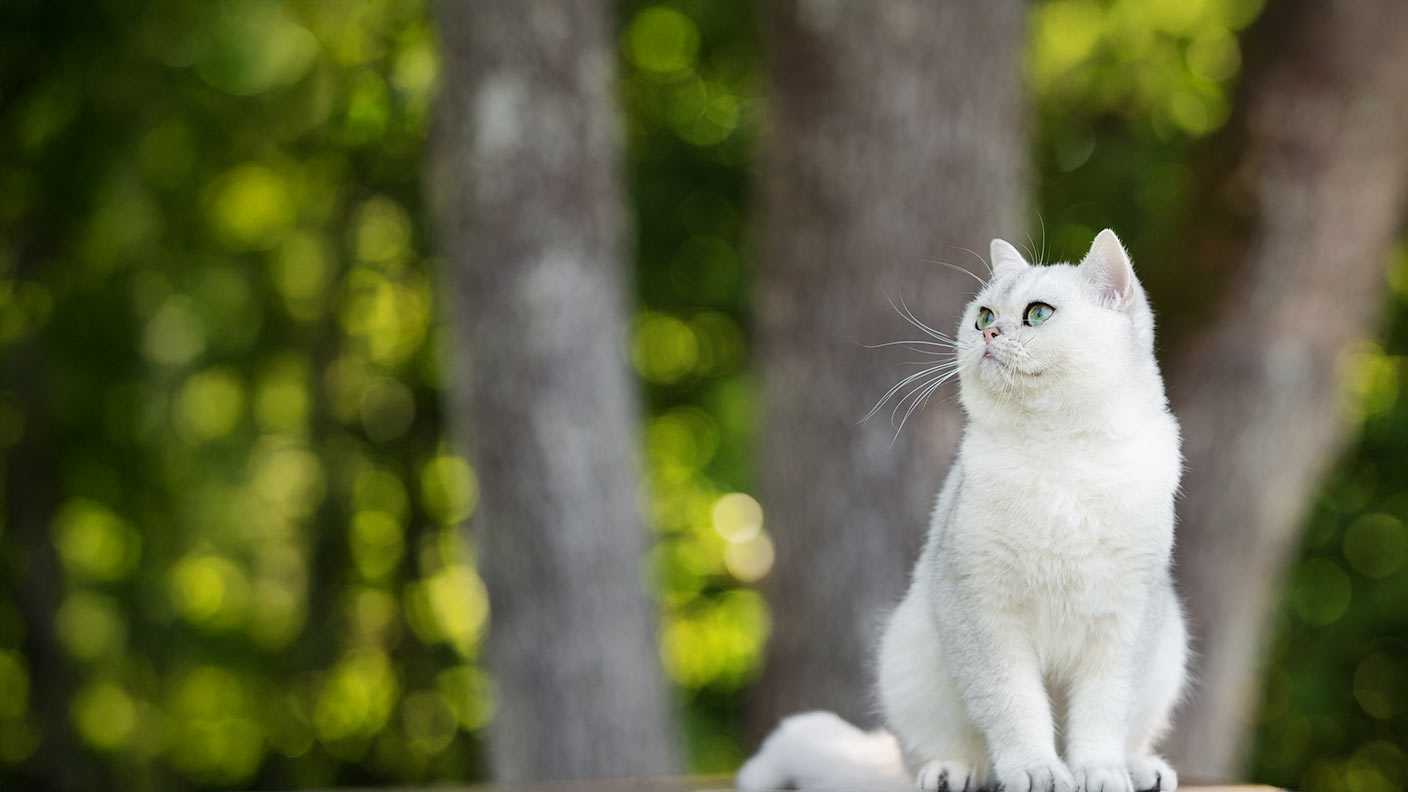
British Shorthair cat breed
Round-faced and doe-eyed, British Shorthair cats make a cuddly companion. Discover British Shorthair facts, from grooming and diet to temperament and exercise.
Pet insurance provided by Pinnacle Insurance Ltd.
Information on how we collect and use your personal data is available to read in our Privacy Policy
British Shorthair cat breed information and advice
The British Shorthair is the most popular pedigree cat breed in the UK. They’re home-loving, affectionate and very laid back. Despite their independent streak, they’re incredibly warm-hearted and loyal to their owners. These chunky cats are happy to lead a lazy life indoors, making them excellent family pets for both busy and less active households.
British Shorthairs are quite stocky and have short legs. Their thick, plush coat and round face can make them look like a cuddly teddy bear.
| British Shorthair facts | |
|---|---|
Lifespan | 9-20 years |
How much | £350- £2,000 |
Size | 30-46cm |
Weight | males 4.1-7.7 kg; females 3.2-5.4 kg |
Colours | grey-blue, grey & white, tabby, cream, blue-spotted, black & white, pure white |
Grooming | minimal, weekly brush |
Temperament | affectionate, calm and laid back |
Exercise | Exercise needs are low – at least 15 minutes a couple of times a day |
Pet Insurance for your British Shorthair cat
Although British Shorthairs are a hardy cat breed, it’s still wise to take out cat insurance. If your cat is diagnosed with an illness, having pet insurance for your British Shorthair can help you with vet bills. Cats can become ill at any age, so it can be best to take out kitten insurance when they’re young.
Common health problems that can affect British Shorthair cats include:
British Shorthairs typically live long healthy lives.
How to care for a British Shorthair
British Shorthairs are easy to look after and need minimal grooming. Make sure that they have a balanced diet and enough exercise to maintain their ideal weight. They can be prone to obesity, so try not to let them pile on the pounds.
To help prevent dental disease, check for any gum disease while cleaning their teeth.
Feeding and nutrition
This breed is prone to becoming overweight, especially when neutered and kept indoors. As they’re slow to mature, they should be fed kitten food until they’re at least a year old.
BSH cats thrive on a healthy diet containing meat-based cat food. Wet foods can provide the right amount of protein, but dry foods are good for variety . Ask your vet for recommendations on which cat food best fits their needs.
Make sure you don’t overfeed them – read the label on the food packaging for guidance on quantities. This will help to keep them at their ideal weight. Don’t forget to provide them with plenty of fresh water too.
Grooming
British Shorthairs don’t need much grooming. Their dense and plush coat doesn’t mat or tangle easily. A weekly brush with a cat brush, grooming glove, or comb should be enough. They might need more grooming during seasonal shedding in spring and autumn, but this is still relatively low maintenance compared to other cats.
While they’re one of the easiest cat breeds to groom, you will still need to get your British Shorthair into a grooming routine. Gently introduce them when they’re a young kitten, and gradually work up to weekly brushing.
British Shorthair coats come in a variety of colours. They can be white, black, red, cream, smoke, blue, lilac, ginger, chocolate, silver or golden. A variety of patterns and shadings are also found, including colourpoint and tabby. But the grey-blue or ‘British Blue’ remains the most popular.
Exercise
Thanks to their easy-going nature, British Shorthairs are content to laze about. They require minimal exercise of around 15 minutes twice a day.
But that doesn’t stop them from having the occasional burst of energetic play. Encourage them to get some exercise by giving them cat toys to play with or a cat tree to climb, jump and play on. This will help to keep them in good condition.
The majority of British Shorthairs are indoor cats, so it’s worth bringing the outdoors inside. Add perches throughout your home, provide a scratching post and include hideouts to keep them entertained. If you decide to let them outside, create an enclosure to stop them from escaping.
Training
British Shorthairs are an intelligent breed, so they usually pick up toilet training pretty quickly. But as they are a large cat breed, make sure you have a large litter box for them.
They can also be taught small tricks, which can be a great way to build your bond with them. Clicker training and treats work well for this breed but be careful to not feed them too many as it can lead to obesity. BSH cats also love to chase and pounce, so laser pointers and cat toys can do wonders.
Temperament and behaviour
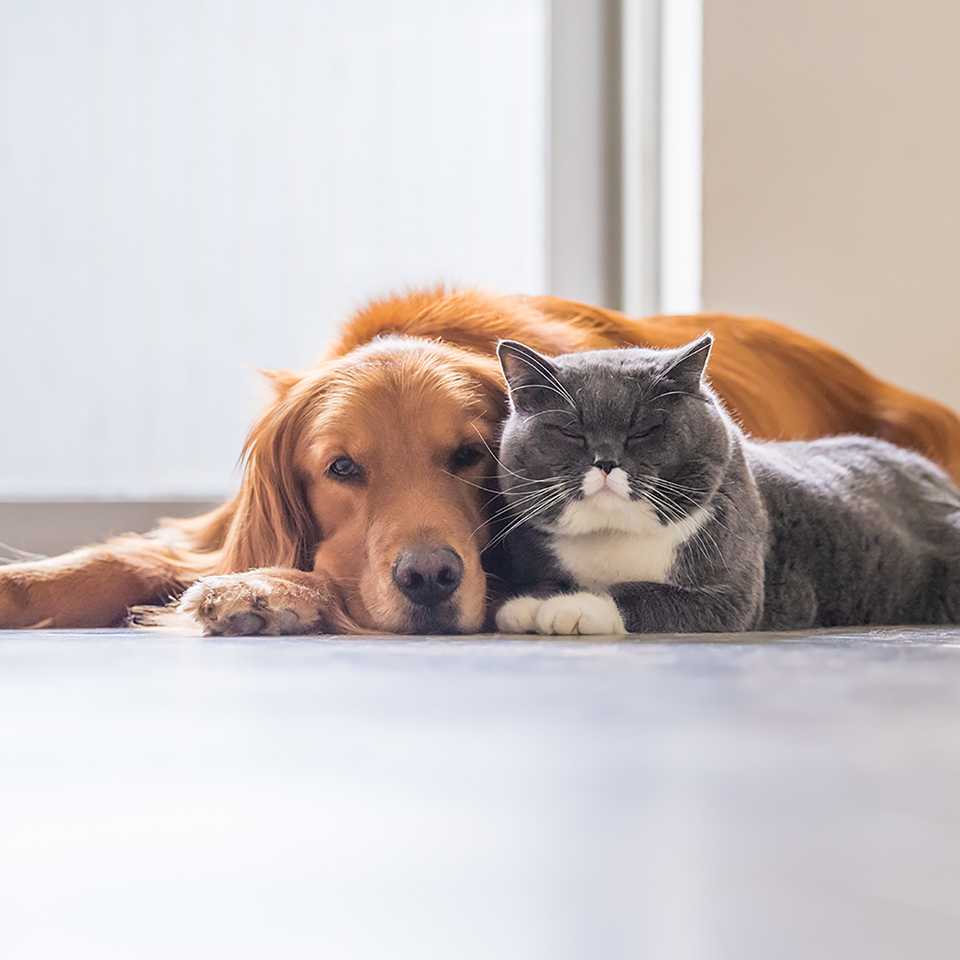
British Shorthairs are easy-going and placid. They’ll form strong bonds with their pet parents. If kept outside, they aren’t likely to roam far. They’re suited to being kept as an indoor cat but make sure they have plenty of toys to keep them occupied. They’re usually tolerant of other cats and dogs in the household. They tend to prefer having all four feet on the ground, so don’t generally like being picked up.
If you’re looking for a lap cat, then the British Shorthair might not be the best pet for you. But they will like to snuggle up next to you on the sofa. They’re also happy to be left alone all day just lazing around.
So, is a British Shorthair cat right for you?
The British Shorthair is a quiet, easy-going cat that is happy to stay indoors. They’re not particularly active and are content to be left alone. However, they will become devoted to their owners. And though they might not like being picked up or sitting on your lap, they will come for a cuddle. However, they do enjoy human company when it suits them, making them the perfect pet for families with or without kids.
Frequently asked questions
How much is a British Shorthair cat?
A British Shorthair kitten from a registered breeder can cost between £1200 and £2000. A kitten from an unregistered breeder can cost between £350 and £800. Some colours may be more popular and more expensive. A trusted breeder will have had their cats tested for hereditary diseases. They’ll also make sure that the kittens aren’t separated from their mother too early and that they have all the necessary vaccinations.
Are British Shorthair cats hypoallergenic?
Unfortunately, despite rumours, British Shorthairs are not hypoallergenic. Allergy sufferers will not escape the cat allergens that can trigger coughs and sneezes. These cats may be short-haired, but they do still shed.
Are British Shorthairs indoor or outdoor cats?
This breed of home-loving cats is content to be kept indoors and quite happy being left alone. They might not be the best lap cats, but they do like being close to you and will snuggle up on the sofa beside you.
How long do British Shorthair cats live?
British Shorthairs are generally a long-living breed. They’ll live long happy lives, with an average lifespan of between nine and 20 years, and an average median of between 12 and 14 years . As long as they’re well cared for, British Shorthairs can stick around for years to come.