Siberian Husky dog breed
Information and advice.
Pet insurance provided by Pinnacle Insurance Ltd.
Information on how we collect and use your personal data is available to read in our Privacy Policy
Siberian Husky dog breed information and advice
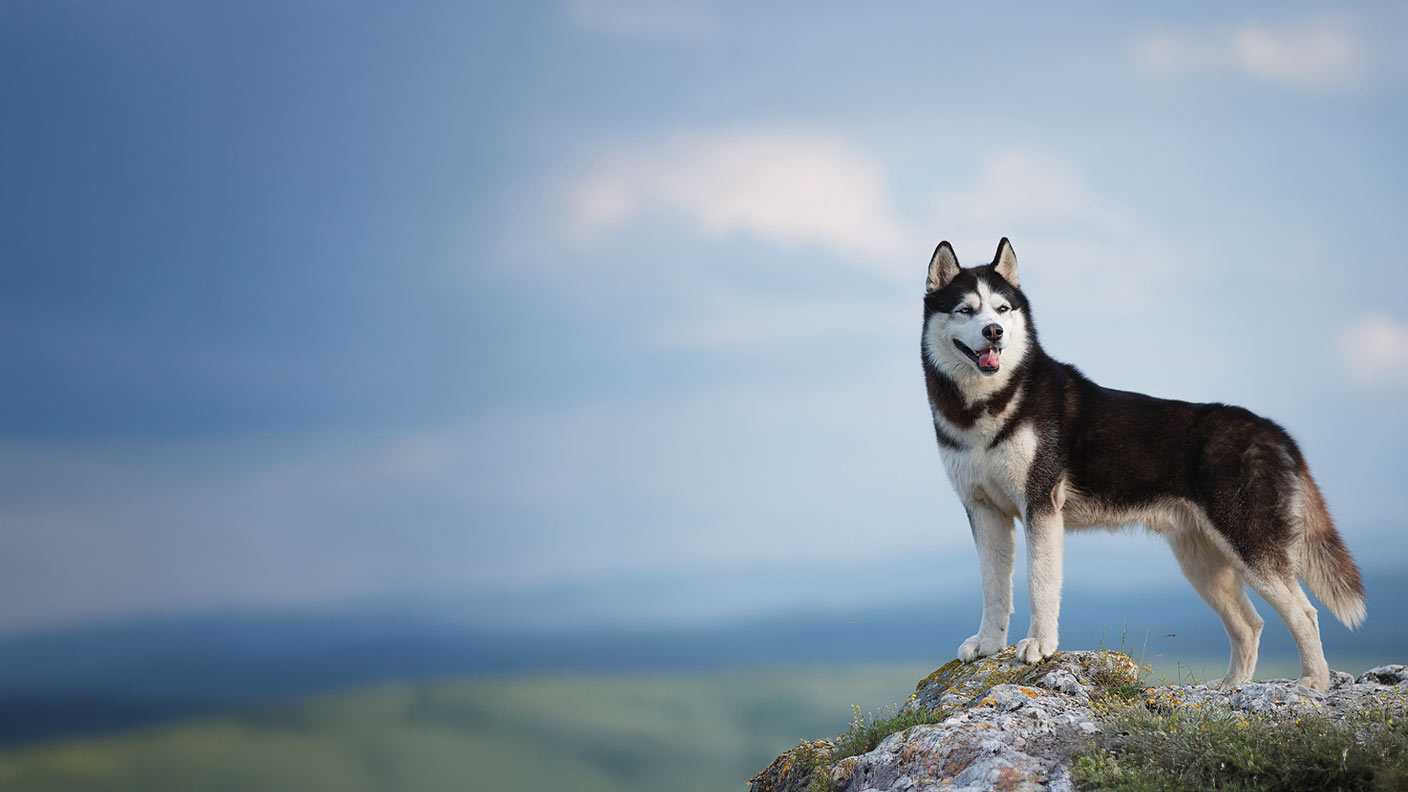
The Siberian Husky is an instantly recognisable dog breed. Originally bred to pull sleds, their thick coats and boundless energy – paired with their love for their human companions – means they’re a popular choice for dog owners.
Huskies are intelligent and they thrive on human interaction, but they can be somewhat independent and stubborn, too. They need plenty of exercise and mental stimulation every day or they can become bored and turn to unwanted behaviours.
But their gentle, playful and friendly temperament means they can be excellent family dogs as long as they’re socialised and trained well from a young age. If you’re considering welcoming a husky into your family, this guide has all you need to know.
| Husky facts | |
|---|---|
Lifespan | 12 – 15 years |
How much | £450– £1,500 |
Size | 50 – 60 cm |
Weight | 16 – 27 kg |
Colours | White, black, grey, black & white, grey & white, black & tan, red & white, sable & white |
Grooming | Brush once per week |
Temperament | Friendly, playful, intelligent, gentle |
Exercise | At least two hours per day |
Insurance for your Husky
Huskies can be prone to developing certain health conditions, such as:
- Hip dysplasia
- Epilepsy
- Inflammatory bowel disease
- Cancer
- Heart disease
If you’re buying a husky puppy, be sure to choose a reputable breeder so they’re less likely to inherit genetic diseases. You should also make sure your Siberian Husky has had all the vet checks and vaccinations necessary before bringing them home. It’s a legal requirement for dogs to be microchipped in the UK, and your breeder should have arranged this before your dog comes home with you.
Register your pet with a local vet as soon as you can, and book regular check-ups while they grow to make sure they’re staying fit and healthy.
Pet insurance can help protect you financially if your husky needs treatment for unexpected illness or injury. It could cover the cost of vet bills, treatment, medication and surgery for your husky.
How to care for a Husky
Exercising, training, feeding and grooming are all important when you own a husky. Here’s what you need to know:
Feeding and nutrition
Husky puppies are growing fast and need plenty of food, but their small stomachs mean they should only be fed small meals four a day. Reduce to once or twice a day for an adult dog. The daily amount to feed your dog will be on the food packaging, where you’ll also find the nutrient contents. Ask your vet if you are unsure of the best food for your dog.
Grooming
Huskies have a double coat: a layer of dense fur undercoat to keep them warm, and a second layer of longer hair which helps keep them dry and regulates their temperature.
You should brush your husky’s coat at least once a week to keep it in good condition. Use a wide-toothed comb to untangle any matting from the overcoat, followed by a paddle brush to remove loose hair from the undercoat.
Huskies moult twice a year. This process helps them shed their thick winter coat in spring, and regrow it again in autumn. You may find noticeably more dog hair around during moulting season. It’s best to brush them more regularly while they’re moulting to keep on top of the stray hair.
Exercise
Huskies are high energy dogs that need plenty of exercise. Bred to pull sleds for long distances, their natural energy and athleticism means they need at least two hours of exercise every day, with plenty of time and space to run and explore.
Huskies also have a high prey drive, so it’s important that they’re not allowed off the lead around farm animals or in areas where wild animals like rabbits or deer live.
If you’re considering buying a husky, you should ideally have an enclosed garden large enough for them to release pent up energy.
Huskies will need to be trained not to pull on the lead from an early age, as pulling is a natural characteristic bred into them for pulling sleds. Once they reach full size, they are strong dogs and may be harder to control without proper lead training.
Training
Huskies are intelligent dogs who form strong bonds with their owners, so training can be rewarding for both of you. But they do have an independent streak which can mean they’re more difficult to train than some breeds. For this reason, a husky might not be a good idea for first-time dog owners.
Patience and persistence is key for dog training. Regular, short training sessions will keep your dog motivated and interested. Always reward your husky for good behaviour, rather than punishing bad behaviour.
Temperament and behaviour
Huskies are loving, playful and intelligent dogs. They are friendly with people and children, and are sociable with other dogs providing they are well socialised as puppies.
However, huskies can be naughty and prone to destructive behaviour if they haven’t had enough physical or mental stimulation. They have been known to destroy furniture, dig up gardens and attack livestock. Their high prey drive means they’re best walked on the lead in public and rural areas. Keep off-lead time to enclosed spaces like designated dog parks or gardens.
Are huskies dangerous?
Huskies are friendly and gentle dogs if well-socialised and trained from a young age. Due to their size and wolf-like appearance, some people may be nervous around huskies, but they rarely show aggression towards people or other dogs. However, they do have a high prey drive and may attack cats, livestock or other small animals.
What's a husky's life span?
Huskies are a healthy breed that can live for 12-15 years if they are well cared for. Make sure they have plenty of exercise, a good diet and regular checkups with your vets to make sure your pet husky stays in tip-top condition.
Do huskies shed?
Huskies have dense, thick coats which do shed. Regular brushing and grooming can help keep dog hair around the house to a minimum.
Is a husky right for you?
Outgoing, friendly and sociable, a husky could make a fantastic pet for the right person. However, their need for plenty of exercise and tendency to be destructive if left alone for long periods means they might not be suitable for everyone. Although they’re intelligent, huskies also have a stubborn streak which can make them more difficult to train than some breeds. For this reason, they’re best suited to experienced dog owners with active lifestyles who will be around for them most of the time.
Frequently asked questions
Is a husky a good family dog?
Yes, huskies can make excellent family dogs. They’re sociable, friendly and gentle, and they can be great with children if socialised well from a young age. However, they do require lots of exercise, so the family will need to consider if they have time for long walks every day.
Is a husky a friendly dog?
Huskies are very friendly dogs – to the point where they don’t make good guard dogs because they’re so pleased to greet everybody. They are happy and sociable with adults, children and other dogs alike.
Are huskies hard to take care of?
Huskies are friendly and intelligent dogs, but they do require a lot of exercise and grooming. They need at least two hours of exercise a day, and should be brushed at least once a week to keep their coats healthy.
Are huskies good protection dogs?
Although they may look a little intimidating thanks to their wolf-like appearance, Huskies don’t make good protection dogs. Their friendly personality means they’re more likely to welcome an intruder into your home with a wagging tail than aggression or warning barks.