Shiba Inu dog breed
The Japanese Shiba Inu is a good-natured dog with striking looks. Find out about the Shiba Inu fox dog and learn whether it’s the right pet for you in this guide.
Pet insurance provided by Pinnacle Insurance Ltd.
Information on how we collect and use your personal data is available to read in our Privacy Policy
Shiba Inu dog breed information and advice
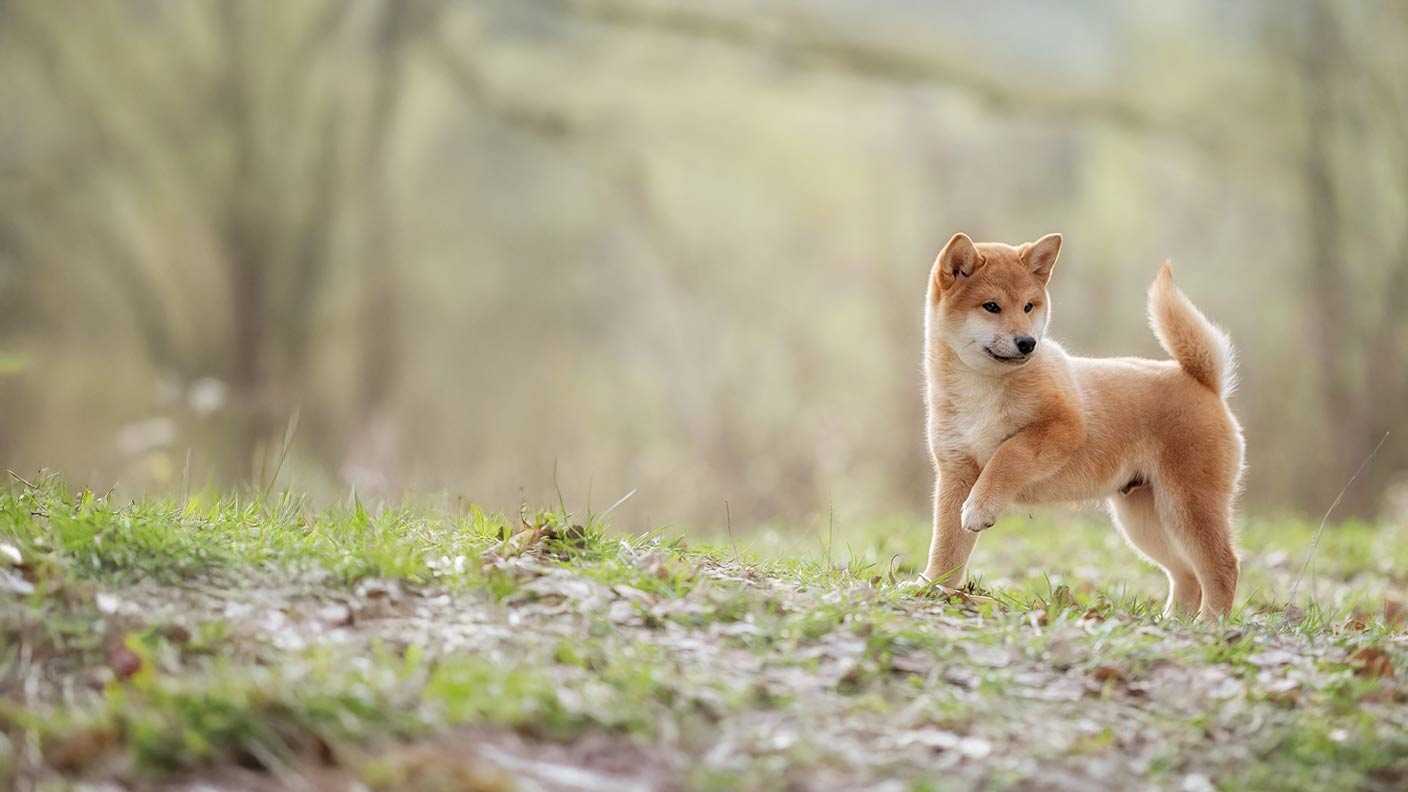
The Shiba Inu is a popular dog breed from Japan. This fox-like dog has a plush coat, pointy ears and a confident temperament.
Considering making a Shiba Inu dog part of your family? Read on to learn more about the breed’s temperament, size, grooming and exercise needs, health conditions, insurance options and much more.
| Shiba Inu facts | |
|---|---|
Lifespan | 13 – 16 years |
How much | £900– £3,000 |
Size | 34 – 42 cm |
Weight | 7.5 – 10.5 kg |
Colours | Cream, black and tan, red, red sesame |
Grooming | Weekly brushing, more frequent when moulting |
Temperament | Confident, independent, good-natured |
Exercise | 1 hour per day |
Insurance for your Shiba Inu
In general, Shiba Inus are a healthy breed, but as with any pedigree, they are more prone to developing certain health conditions. Give your Shiba Inu puppy the best start in life with puppy insurance.
Having insurance can help to cover the cost of treatment, consultations, medication, nursing care or even surgery if your Shiba Inu gets ill or has an accident.
Common health problems that can affect Shiba Inus include:
- Hip dysplasia
- Luxating patella
- Eye problems
- Atopy
How to care for a Shiba Inu
Looking after your Shiba Inu with the right nutrition, exercise and care will help them live a long, happy and healthy life.
Feeding and nutrition
Most dog food brands offer nutritionally balanced food to help your dog stay healthy. While your Shiba Inu is a puppy, they will need three to four small meals per day. As they grow and get bigger, this can be reduced to two meals per day. If you’re feeding them lots of treats during training, adjust their portions accordingly.
It’s a good idea to weigh out your dog’s food according to the guidance on the packaging to make sure you’re not under or over feeding. Shiba Inus can be greedy, and are prone to growing overweight, so it’s important to monitor their food intake and have them weighed regularly when visiting the vet.
Grooming
Shiba Inus have a very thick double coat and shed twice per year in the spring and autumn. The shedding process can take weeks or even months, so keeping on top of grooming with regular brushing helps to keep your dog comfortable and prevent hair from building up around the house.
Groom your dog using a grooming brush designed for double coats. Shiba Inus are known for being a dramatic breed, and if they don’t enjoy being groomed, they may react with loud vocalisations. If you find grooming them yourself a struggle, a trip to a professional groomer might help.
Exercise
Originally bred as a hunting dog in Japan, the Shiba Inu is an intelligent and active breed. They need regular mental and physical stimulation in the form of varied walks and enriching toys and games to keep their minds occupied.
Shiba Inus have a stubborn, independent streak which, combined with their prey drive, can mean they’re difficult to control when off the lead. It’s advised to keep them on lead during walks unless you’re in an enclosed area like a designated dog park.
Training
Shiba Inus are naturally intelligent and loyal, which means they can be easily trained. Start training early, as soon as you bring your puppy home. Teach the basics like sit and stay with lots of short, engaging training sessions and reward-based training. Their big appetites mean Shiba Inus are food motivated and will do almost anything for a treat.
However, Shiba Inus are curious and independent, which means they are prone to escaping. If you have a garden, make sure it’s been thoroughly dog-proofed before letting them outside.
Temperament and behaviour
Intelligent, independent, loyal and loving, the Shiba Inu makes a wonderful pet for the right person. Although they love their people, this breed is happier being in a single-pet household, and one without young children as they can be impatient.
Shiba Inus are very vocal dogs and can use all sorts of unusual sounds to communicate. Screams, yodels, purrs and howls are all common, but they rarely bark. Known for being dramatic, Shiba Inus may not approve of being groomed or having their nails cut and could react with a characteristic scream.
So, is a Shiba Inu right for you?
Their distinctive looks, good-natured personalities and intelligence make the Shiba Inu a popular pet. If you’re looking for a mid-size dog that’s easy to train, loyal and lovable, the Shiba Inu could be perfect for you.
Frequently asked questions
Is a Shiba Inu a good family dog?
A Shiba Inu may make a great family pet if you have older children, but they aren’t best suited for families with babies or young children. They have an impatient side and may not take well to being manhandled by young family members.
Are Shiba Inus high maintenance?
While their thick coats require lots of care and attention, Shiba Inus are relatively easy to care for day-to-day. As a small to medium dog, they can be kept in flats and apartments without large gardens. They don’t require huge amounts of strenuous exercise – a daily walk with lots of engaging sights and smells is enough. Their intelligence also makes them easy to train.
Can Shiba Inus be left alone?
Although they love their owners, Shiba Inus have an independent streak which can mean, with the right training, they are happy to be left alone for up to eight hours. To prevent separation anxiety, it’s important to start training alone time early on. Start by simply leaving the room for a few seconds at a time while they’re puppies. Gradually extend this until your dog learns not to fear being left by themselves. If you are leaving your Shiba alone, make sure they have had a walk, been to the toilet and have plenty of water to drink while you’re out.
Is a Labrador a beginner dog?
Labradors are often referred to as beginner dogs as they are easy to train compared to a lot of other breeds. Their intelligence, willingness to please, gentle loving natures and high food-motivation means they learn quickly. However, any dog is a big commitment and Labradors need regular exercise, committed training and lots of love and attention to keep them content and well-behaved family members.