Poodle dog breed
Whether you choose a Toy, Miniature, Medium or Standard Poodle, these perfect pooches are exceptionally intelligent and eager to learn.
Pet insurance provided by Pinnacle Insurance Ltd.
Information on how we collect and use your personal data is available to read in our Privacy Policy
Poodle dog breed information and advice
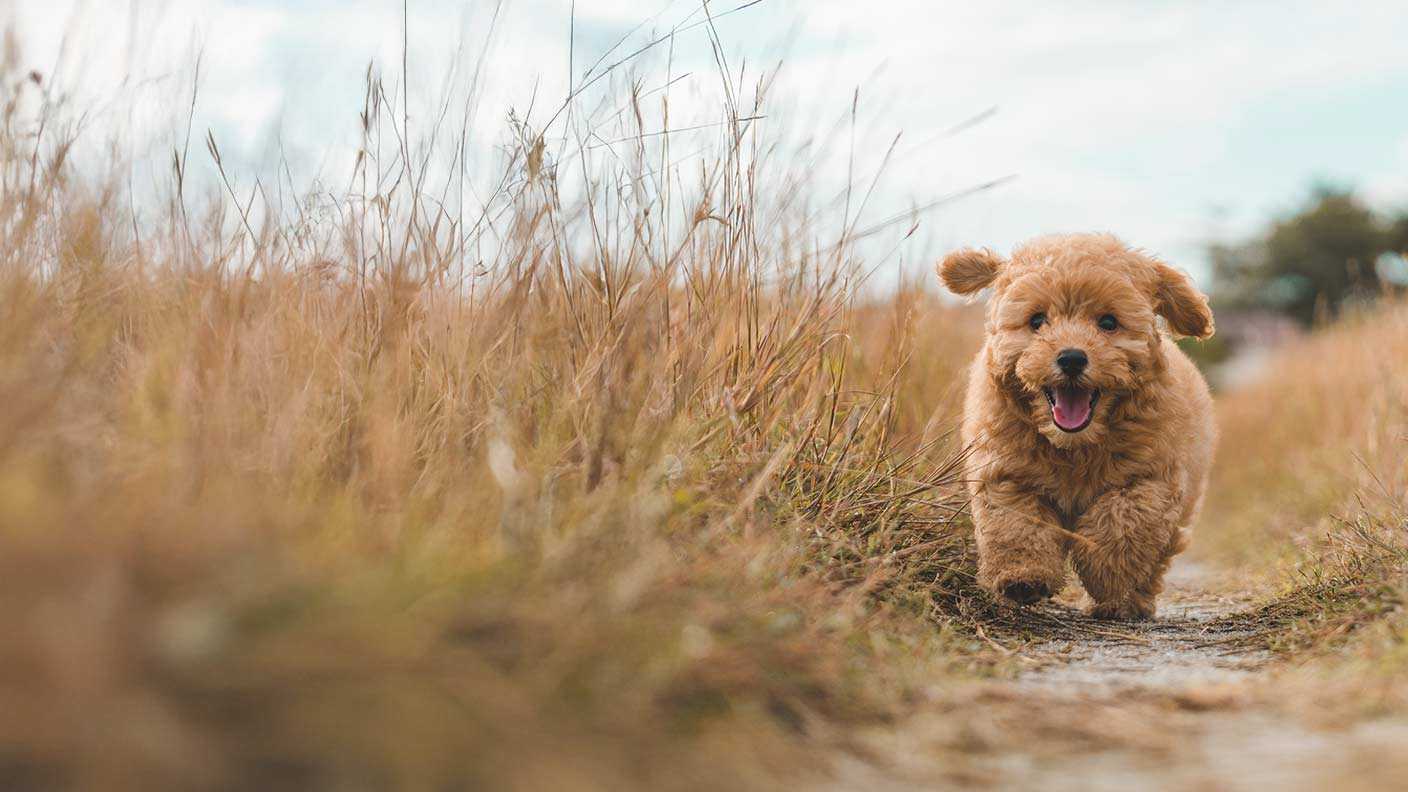
Poodles are noble and elegant, turning heads in the dog world with their famous curls. Said to have originated in France or Germany, Poodles descend from the old water dogs of Europe. So, despite their foppish looks, they’re quick-witted, well-built and easy to train.
The distinctive Poodle coat is thick and curly, but underneath there’s an athletic and sporty pooch.
There are four Poodle sizes: Standard, Medium, Miniature and Toy. Standard Poodles are the biggest and these large Poodles stand higher than 38cm at the shoulder. It’s also the oldest variety. The smaller varieties were bred by selectively breeding the smallest puppies from standard poodle litters.
Read on for information on how best to care for these curly companions, the Poodle temperament, training needs and more.
| Poodle facts | |
|---|---|
Lifespan | The Poodle lifespan ranges from 10 to 18 years |
How much | £500 – £1,800 |
Size | Over 38 cm |
Weight | 20 – 32 kg |
Colours | Black, white, grey, blue, brown, apricot, cream silver |
Grooming | Every other day |
Temperament | Clever, high-spirited, athletic |
Exercise | Over two hours per day |
Insurance for your Poodle
Life doesn’t always go to plan, and your poodle pup could run into problems at any age. Having puppy insurance could help to alleviate some stress in these moments.
Our dog insurance from Sainsbury’s Money could help you towards the cost of treatment, consultations, medication, ongoing care or even surgery.
Common health problems that can affect Poodles include:
- Luxating Patella
- Hip Dysplasia
- Legg-Perthes disease
How to care for a Poodle
As with all breeds, your precious Poodle has certain grooming, feeding, training and exercise requirements they need to be met to be happy and healthy. Here’s how to keep your Poodle’s tail wagging.
Feeding and nutrition
Regardless of which size Poodle you choose, you’ll need to feed them nutritious food. Your vet, breeder or rescue centre will be able to advise on the right food for your dog. You can also check on the food packaging for guidance on the amount your pup needs.
Remember that things like their activity level, age and size will affect the amount of food your Poodle needs. Standard Poodles can be prone to bloating, so you may want to consider smaller more frequent meals throughout the day to minimise this.
Grooming
Poodles have a distinctively glamorous appearance, with a very dense and curly coat. Widley suitable for allergies (but not always!), Poodles do not shed hair. But, you do need to be prepared to put in the effort to look after their beautiful curls with daily brushing at home.
You should take your Poodle to the groomers every six weeks to be clipped.
Exercise
All sizes of Poodles need regular exercise as they’re very active dogs. They need at least an hour or two of walking and running, as well as extra training and playtime.
Standard Poodles love water and swimming – so keep this in mind if you want to avoid soggy paws. As working dogs, their instinct is to retrieve so they love playing fetch with their owners.
It’s important to keep all dogs mentally stimulated too by playing mind games and puzzles to keep their brains occupied and entertained.
Training
Thanks to their high intelligence levels, Poodles are great fun to train. They’re people-orientated and as long as the training is fun and positive for them, they’ll try to please you.
Poodles are excellent at agility, obedience and tracking so the world’s your oyster when it comes to training avenues. They love to perform – being a show off is a Poodle trait.
Temperament and behaviour
The Standard Poodle temperament means they can make great family pets. But as high-energy dogs that need lots of exercise and attention, they may be better suited for families with older children that could share the responsibilities of walking and grooming. The Toy Poodle temperament is also very friendly, intelligent and keen to please.
Poodles are very social dogs, but without enough socialisation they can become anxious. They also love companionship and have a strong attachment to their owners, which can make them more likely to suffer from separation anxiety if left alone.
So, is a Poodle right for you?
Poodles are active dogs, so you need to be sure you have the time to give them the stimulation they need. If you can meet their needs, you’ll be rewarded with an affectionate pup that’s great with families and easy to train.
Frequently asked questions
Is a Poodle a good family dog?
Yes, Poodles are good family dogs. They’re intelligent, energetic and easy to train. They love companionship and like to be around people most of the time. They’re gentle and can get along with children and other pets – especially if socialised from a young age.
What is the temperament of a Standard Poodle?
Standard poodles are known to be kind, friendly and loving. They’re also very energetic and eager to please. This makes training them a joy. As long as you meet their high energy needs, they can make great family companions.
Do Poodles bark a lot?
Yes, Poodles are known for being barkers. All the variations – from the smallest Toy to the largest Standard – are vocal dogs. Poodles often bark due to triggers – like the doorbell or when visitors arrive.