Pomeranian dog breed
Pomeranians are playful, cute and fluffy. What’s not to love? Learn more about the breed in this guide.
Pet insurance provided by Pinnacle Insurance Ltd.
Information on how we collect and use your personal data is available to read in our Privacy Policy
Pomeranian dog breed information and advice
The Pomeranian, sometimes shortened to pom, is a popular dog breed. And it’s easy to see why.
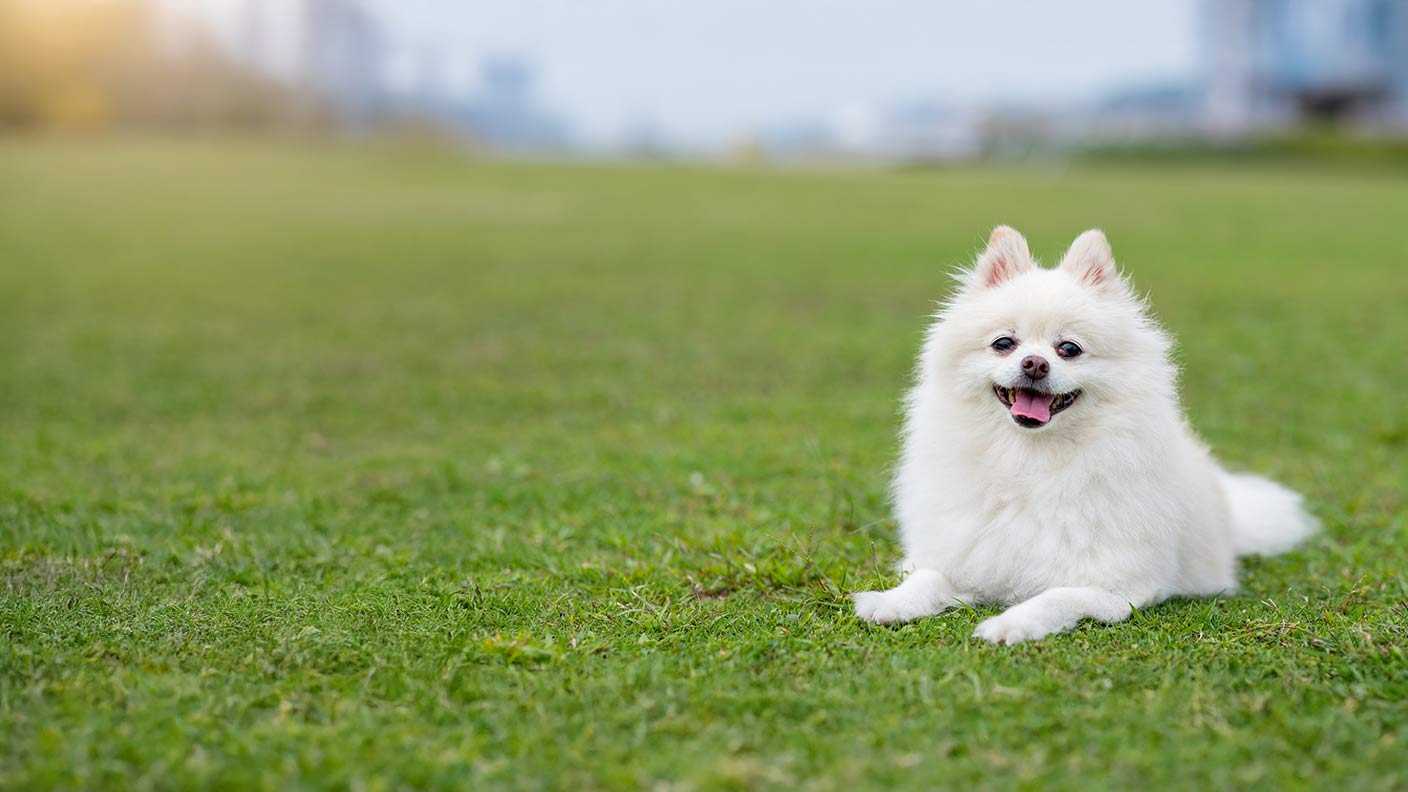
Pomeranians have distinctive fox-like features, with a long, pointed muzzle, dark eyes, and small upright ears. Their cute and cuddly appearance suits their gentle temperament. They make loveable family pets and are great with kids, as they love to play and be petted.
Originally, a larger dog, Pomeranians were bred for pulling sledges and herding animals. Their size was reduced through breeding to give us the small, pocket-sized companion we know today.
| Pomeranian facts | |
|---|---|
Lifespan | 12 – 16 years |
How much | £700 – £4,500 |
Size | 18 – 30 cm |
Weight | 1.8 – 3.5 kg |
Colours | Red, orange, cream/tan, sable, black, brown and blue/grey |
Grooming | Brush 3 times per week |
Temperament | Lively and loyal |
Exercise | 30 minutes to one hour a day, but no strenuous exercise |
Insurance for your Pomeranian
Pet insurance for your Pomeranian is one of the first thing you should think about when getting a new dog. All pups can be mischievous, and a Pomeranian puppy is no different. Taking out dog insurance for illnesses and accidents can help foot the bill of unexpected vet bills.
Insurance can help make sure you can always give your dog the health care it needs. The Pomeranian temperament is lively and they can be clumsy – so accidents aren’t out of the question. Hereditary health issues can also show from a young age, so it’s important that your pet is covered before any problems arise.
Your Pomeranian may be more likely than other breeds to develop these health conditions:
- Luxating patella
- Collapsing trachea
- Alopecia X
How to care for a Pomeranian
Caring for your pet means making sure they get the right diet, exercise, training and grooming. In return, they’ll show you unconditional love.
Feeding and nutrition
Your Pom's diet needs to provide the right balance of nutrition and energy. There are many varieties of dog food available, so it can be hard to choose which one to go for. If you’re struggling, your vet will be able to give you advice on the best diet for your dog.
Pomeranians have small appetites and prefer to eat little and often. They need more food than you might expect given their size, as they burn calories quickly. Your Pomeranian puppy will have different needs to a Pomeranian dog. Feed your puppy up to four times a day. Lower this to three times a day for adult dogs.
You should weigh your Pomeranian’s food to make sure you’re not under or overfeeding them. You’ll find guideline measurements on food packaging, but you can also ask your vet for advice.
Grooming
The Pomeranian is known for its big, fluffy coat. It has a dense undercoat and a long, straight topcoat. All this fur means you’ll need to brush it regularly to prevent matting. Three times a week should be enough, but brush more if it looks like it needs it. Keep an eye out for any tangles and mats. Some Pom dogs may need daily brushing and teeth cleaning, as well as a bath and nail trim every four to six weeks.
Exercise
Pomeranians don’t need too much exercise and can thrive off 30 to 60 minutes a day. Be careful not to over-exercise your pup due to their small size and delicate bones. Split their walks up into two or more short ones and supplement with play sessions.
Their fluffy coats mean this breed can overheat easily. So, don’t take them for long walks and be careful on hot, sunny days.
You can also exercise your pet in your garden but don’t leave them outside on their own. They’re small and can be seen as prey to wild animals.
Training
Pomeranians can be difficult to train. But if you start house training from a young age, it’ll be easier to continue the training as they grow. Training classes are a good way of socialising your dog and picking up tips.
Barking is a learned behaviour that can be prevented by training. When your dog starts barking, distract it with a toy, then reward it with a treat when the barking stops.
Temperament and behaviour
Despite being small, the behaviour and personality of a Pomeranian is that of a big dog. They’re bold and not afraid to chase and bark at larger dogs. This isn’t ideal as their size could get them in trouble with an over-exuberant, bigger dog.
You should always take care when around other animals. Another dog may react to your dog’s barking and your pet could easily get hurt. Socialise your Pomeranian with other animals from an early age and take advantage of dog training too. You may not be able to stop the barking completely, but you may find their Pomeranian temperament around other animals becomes calmer.
Dental problems
Dental hygiene is important for all breeds of dogs. Brushing their teeth should help protect them from tooth decay, loss, and tarter accumulation. Pomeranians can suffer from periodontal disease, which is when a build-up of plaque can cause inflammation and infection.
What colours of Pomeranian are there?
The most common and most popular coat is orange, closely followed by sable. Other colours include cream, white, black and brown. The rarest colours are lavender, brindle, wolf sable and blue. Although most colours are solid, some colour mixes can be found.
How much does a Pomeranian cost?
Prices can vary hugely between £700 - £4,500 depending on availability, whether or not the dog is KC registered, colour and popularity. The most expensive colours are the rarest, like blue, brindle, lavender and wolf sable.
It’s the buyer’s responsibility to buy from reputable Pomeranian breeders. You’ll get to meet at least one of the parents and find out about any hereditary health issues.
Are Pomeranians hypoallergenic?
Pomeranians don’t shed much fur – which helps reduce symptoms of dog allergies. No dog is truly hypoallergenic as allergy sufferers are affected by the dog skin cells that are shed, not the fur.
If you’re an allergy sufferer, your Pomeranian may trigger fewer symptoms than other breeds.
How long do Pomeranians live?
A Pomeranian has a life expectancy of between 12 and 16 years. Your pet’s lifespan will be affected by their diet, exercise and health issues.
So, is a Pomeranian right for you?
Your Pomeranian will bring you infinite happiness. Their teddy bear appearance is well suited to their loving temperament. You’ll be surprised at how a small body can contain such a big personality. A Pomeranian can make the perfect companion.
Frequently asked questions
Are Pomeranians good pets?
Pom dogs make loyal and loving companions. They’re cute, don’t shed and have a playful personality. They’re described as happy-go-lucky dogs and will fit great into family life – as long as your children are old enough to distinguish a dog from a toy.
Do Pomeranians bark a lot?
Pomeranians are infamous for their yappy bark. They’re an alert breed and can be trained to be watchdogs. They may bark to alert their owner to a possible threat. They may also bark due to separation anxiety.
Is it OK to leave your Pomeranian alone?
Once your Pomeranian is fully grown, it may be able to be left for six to eight hours. But every pet is different, and Poms can suffer from separation anxiety, which can prompt excessive barking and destructive behaviours.