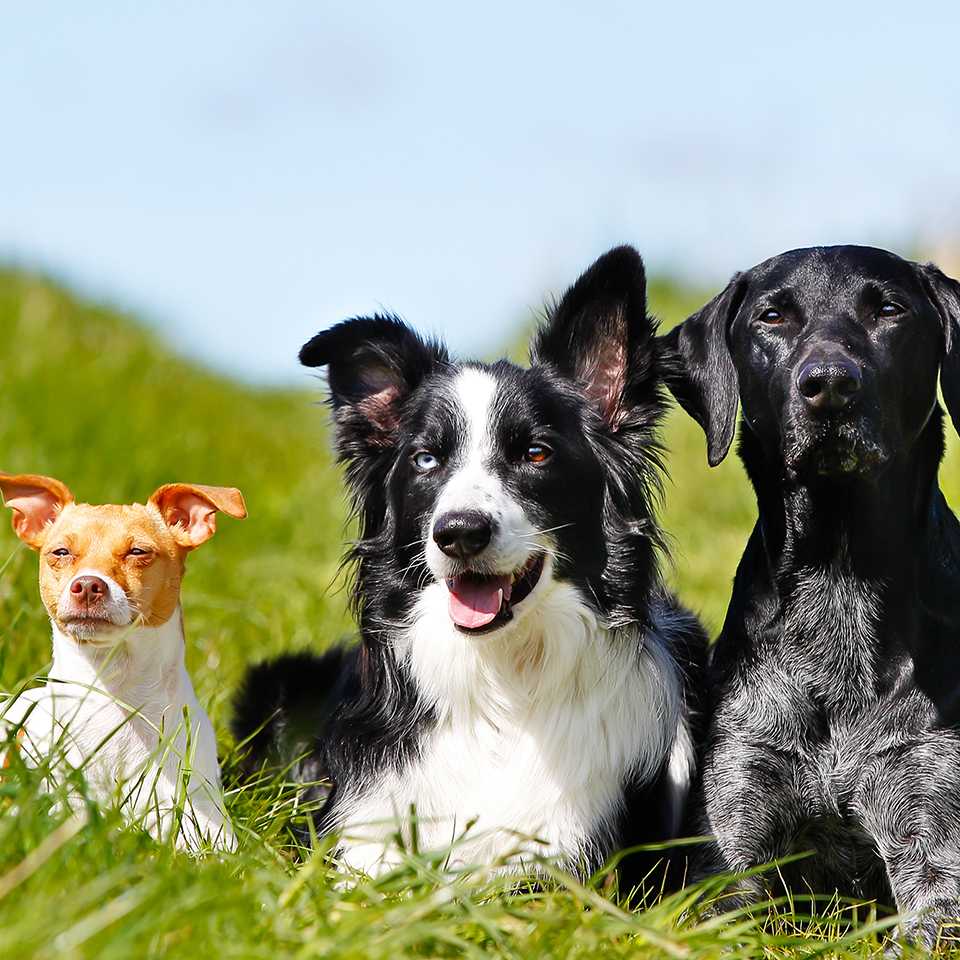
Mongrel dog breed
They might not be designer dogs, but Mongrels make unique, hardy and lovable pets. Find out about caring for your crossbreed dog, from training to nutrition.
Pet Insurance provided by Pinnacle Insurance Ltd.
Information on how we collect and use your personal data is available to read in our Privacy Policy
Mongrel dog breed information and advice
A mongrel is the name for a type of dog that's a mix of three or more dog breeds. They are often referred to as mixed breeds. When it comes to Mongrels, due to the mix, it can sometimes be difficult to identify the parentage.
While it may be tricky to pinpoint the exact characteristics and traits of a Mongrel, don’t let that deter you. Mongrels make wonderful, unique pets and are often the perfect blend of different breeds. If you have a Mongrel or are looking to welcome one into your home, here’s the dog care information you need.
| Mongrel facts | |
|---|---|
Lifespan | 10 – 13 years |
How much | Varies depending on the breed mix and whether from a breeder or rescue centre |
Size | Varies depending on the breed mix |
Weight | Varies depending on the breed mix |
Colours | Varies depending on the breed mix |
Grooming | Varies depending on the breed mix |
Temperament | Varies depending on the breed mix |
Exercise | 30 minutes for small dogs, 60 minutes for medium to large dogs |
Insurance for your Mongrel
While lots of pedigree dogs are susceptible to inheriting breed-specific health conditions, Mongrels are less likely to thanks to their broad gene pool. Though Mongrels tend to be resilient dogs, accidents can happen, and health conditions can develop with time. Common health conditions that affect Mongrels include:
- Periodontal disease
- Hip dysplasia
So, it’s wise to make sure your dog is protected by pet insurance at every stage of its life. Dog insurance will help to cover the cost of vet bills for surgery and medication for your mixed-breed dog. It can also help with any ongoing expenses and vet visits.
How to care for a Mongrel
Caring for your dog’s health means making sure they get the right diet, exercise, training and grooming. These will vary depending on your Mongrel’s size, parentage and temperament, but the below guides should help.
Feeding and nutrition
Your dog’s diet needs to give them the correct nutrients and energy so they’re healthy and happy going about their day. The nutritional content is printed on all dog food packaging, where there will also be guidelines on the amount of food your dog needs based on its size and weight. If you’re unsure what your dog needs, speak to your vet.
Your puppy should be fed three to four times a day. This will need gradually reducing as they get older because adult dogs only need to be fed one or two times a day.
Grooming
Grooming requirements will vary depending on what breeds your dog has been crossed with. Long-haired breeds need brushing with a dog brush two or three times a week, whereas a short coat will only need to be brushed once.
Most dogs only need bathing around once a month, or when they are smelly or dirty. If you bath your dog at home this is a good time to give them a health check: look at your dog’s teeth, eyes and ears for signs of disease. The sooner you notice a health problem, the quicker you can treat it.
Some dogs need to have their claws clipped to keep them short, but others will wear down naturally while outdoors on walks. Long claws are more prone to breaking. You can learn to clip your dog’s claws yourself or take them to a groomer or veterinary nurse.
To prevent your dog from getting dental disease, you should brush your dog’s teeth once a day. If you start this at a young age, your dog will get used to it. Make sure you use a dog toothpaste as human toothpaste is toxic to dogs.
Exercise
If your Mongrel is small, it will need around 30 minutes of exercise every day. If they are a medium or large dog, they’ll need between 30-60 minutes. If possible, allow your dog off-lead exercise. This will allow your dog to run around and burn off energy, which is better than lead-only exercise. But make sure you only let them off the lead in a secure area, and only if your dog has strong recall. If they have a high prey drive, be careful not to let them off close to livestock or wildlife.
Training
Any dog can be trained with patience and persistence. Find what works best for you and your dog. Some dogs love toys and will respond better to a ball, others prefer food. Positive rewards will keep your dog interested in the training and have better outcomes.
It’s easier to toilet train a Mongrel puppy than an adult dog. House training can be difficult in older dogs as they’ll be used to toileting indoors. But, with patience and practice, any dog can learn.
Dog training is great stimulation for your dog both physically and mentally. It can also be a great way to socialise your dog. If you take them to training classes, you’ll learn new tips for training success and your dog will get to make friends.
Temperament and behaviour
The temperament and behaviour of your Mongrel will depend on the breeds that have been crossed. Mongrels often take on characteristics from both sides, creating a unique personality. If they have been crossed with two dogs that are prone to barking, then it’s highly likely that they will be a barker.
Certain breeds such as sight hounds and terriers have a strong prey drive, while retrievers love to play fetch. Some breeds are clingy or protective, while others are independent and outgoing. Your Mongrel might have a multitude of characteristics from varied breeds.
To help stop undesirable behaviour, give your dog plenty of mental and physical stimulation. Bored dogs can become destructive, and no one wants a chewed shoe.
So, is a Mongrel right for you?
With Mongrels, it’s never clear what you’re going to get. You might be able to tell just from looking at the dog which breeds it’s crossed with, or it could be a complete mix.
Depending on your circumstances, such as the size of your garden, your activity level and whether you have children, certain dog breeds may be more suited to your lifestyle than others.
Toy breeds might be better suited to people who are less active, while working breeds need plenty of exercise and mental stimulation.
Mongrels – especially rescues - might be better suited to owners who have had dogs before. That way they have the experience needed to train and socialise their pet into a well-rounded member of the family.
Frequently asked questions
What is a Mongrel?
A Mongrel is a dog that has been cross bred with three or more different dog breeds. It cannot be defined as one breed because the parents are different breeds. If the parents are also mixed breeds, the puppy will contain genes from multiple dog breeds.
What does Mongrel mean?
Mongrel is the name given to a dog that has no definable type or breed. They are also known as a crossbreed, mixed breed, mutt or half-breed. A Mongrel will be created by breeding two dogs that are different breeds. The parents could also be Mongrels.
Are Mongrel dogs healthy?
Mongrel dogs tend to be healthy, however it is possible for them to inherit diseases from any of the breeds that they have been crossed with. However, they are less likely to be affected if only one of their inherent breeds is linked to a specific condition. If Mongrels are given the correct care and medical attention when they need it, they are likely to live happy, healthy lives.