Jack Russell dog breed
Jack Russells are energetic, playful and love to explore, making them the perfect companion. Read on for facts and information about the wandering breed – from weight and lifespan to feeding and exercise.
Pet insurance provided by Pinnacle Insurance Ltd.
Information on how we collect and use your personal data is available to read in our Privacy Policy
Jack Russell dog breed information and advice
If you’re thinking of getting a new dog, the Jack Russell Terrier could be the breed for you. They’re intelligent, fearless and love to play. Their lively personality and kind temperament make them a perfect pet, but it’s always recommended to understand the breed’s needs before you bring your new companion home.
This handy guide covers everything you might need to know, including Jack Russell temperament, care tips, feeding, training, insurance and much more.
| Jack Russell facts | |
|---|---|
Lifespan | 13 – 16 years |
How much | £500– £1,200 |
Size | 26 – 33 cm |
Weight | 7 – 12 kg |
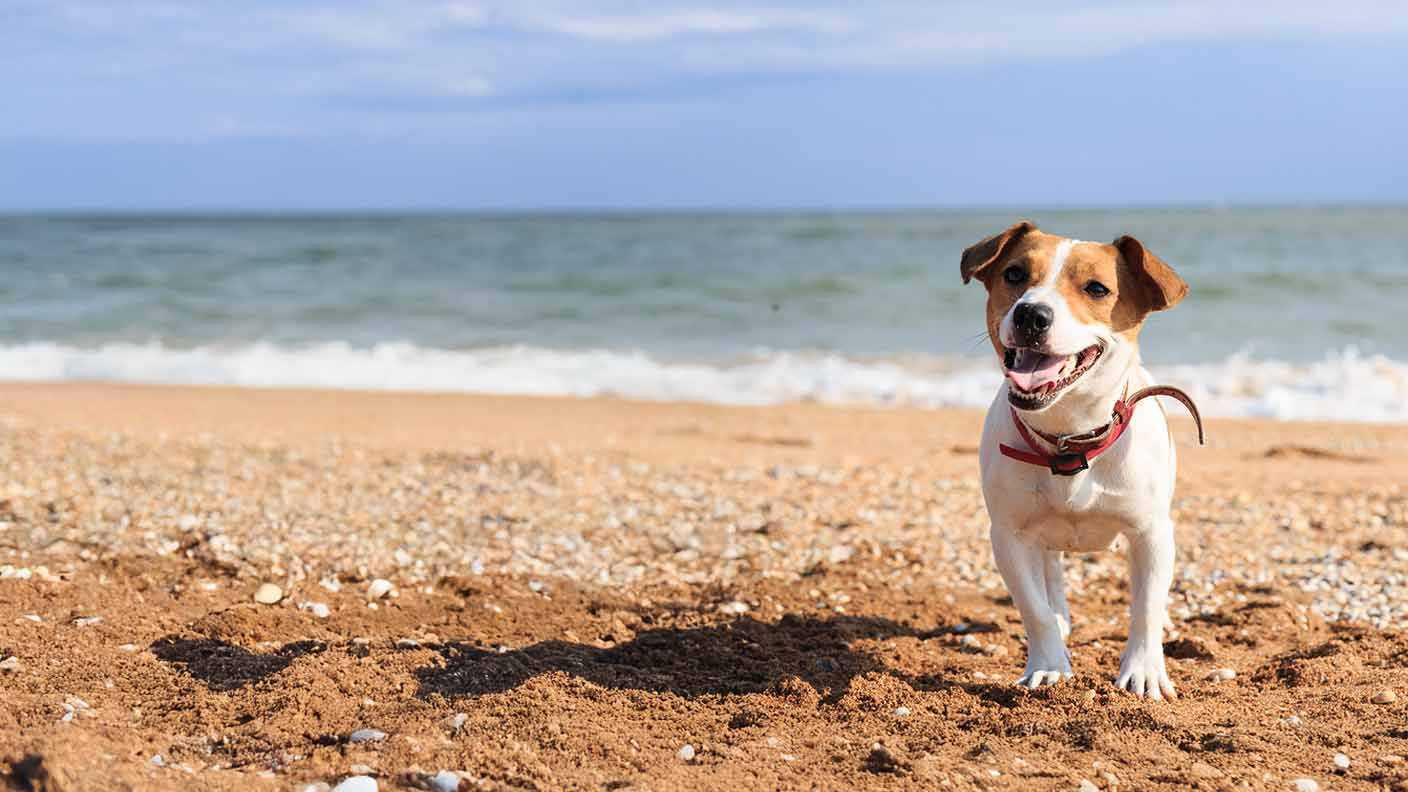
Colours | White with either black, brown or tan markings |
Grooming | Once a week |
Temperament | Lively, active, vocal, intelligent and fearless |
Exercise | Regular, daily exercise |
Insurance for your Jack Russell
Health problems can happen at any age, so it’s best to start with puppy insurance. Having Jack Russell insurance helps to cover the cost of treatment, consultations, medication, nursing care or even surgery.
Common health problems that can affect Jack Russells include:
- Atopy
- Impacted anal glands
- Luxating patella
- Polydipsia
However, Jack Russells may have fewer health problems, making them cheaper to insure.
How to care for a Jack Russell
Food, nutrition, grooming and exercise are all important parts of caring for any dog. Giving your Jack Russell lots of love, care and attention will help them live a happy and healthy life.
Feeding and nutrition
Starting your puppy on the right diet is important. Where possible, you should use the same food as the dog breeder to prevent an upset tummy. If you want to change the dog food, you need to change it slowly by adding small amounts of the new food to the original food.
As your Jack Russell grows, make sure you change from puppy food to adult dog food. Tailoring their diet helps to make sure your dog is getting the correct nutrients for their age. It’s easy for them to become overweight so you’ll need to know how much to feed a Jack Russell. Puppies should be fed three or four times a day, but as they get older, you should only feed them once or twice a day.
Jack Russells prefer to eat small biscuits. Make sure the dry dog food is suited to the size of your dog. Food packaging will provide guidance on suitability and portion size to help you serve the right amount.
Grooming
There are three types of Jack Russell coats – smooth, broken and rough. So, whether you have a wire haired or long haired Jack Russell, their coats are low maintenance. To minimise the amount of fur on the floor and furniture, you should brush your dog once a week; removing any loose fur and keeping their coat clean and smooth.
Exercise
A true hunting dog, Jack Russells love exploring and have lots of energy, so they should be exercised daily. Puppy legs can get tired easily; however, you should aim to walk an adult Jack Russell twice a day, for at least one hour.
Their exercise doesn’t have to be limited to walks – playtime can count too! Keeping your dog exercised for an hour a day keeps their mind and body active. It will also prevent any destructive behaviour that might creep in if they become bored.
Training
Jack Russells learn quickly and are eager to please, and training them will help prevent bad behaviour. Training classes are a great way to pick up tips and give your Jack Russell a chance to socialise. For better results, include toys and treats as part of their training; making it fun and delicious for your dog.
Puppy toilet training tends to be easy with this breed and can be included with their dog training too.
Temperament and behaviour
Jack Russells are known for being devoted and eager to please, making them a perfect family companion.
Although they’re small, they have long legs, so they’re fast runners. They’re also very flexible and can get in small places. Your garden will need to be secure to stop your Jack Russell from escaping. One thing is for certain, they will dig, so don’t leave them on their own in your garden for long.
Jack Russells don’t like to be left alone for long periods. If you have to go out, make sure they always have toys to play with. This will help keep them entertained and out of mischief.
So, is a Jack Russell right for you?
Jack Russells are loyal companions with an adventurous, curious nature – the perfect match for equally adventurous owners.
They’re loyal, energetic and love to play – making them great playmates for kids young and old. Jack Russells tend to get bored, so if they have a loving family that can give them attention – even better.
With such low maintenance fur, they also don’t take much grooming, making it easier to care for them. Best of all, thanks to the Jack Russell lifespan, they’re likely to be around to spread love and adoration with the family for years to come.
Frequently asked questions
How long do Jack Russells live?
The Jack Russell has a lifespan of 13 to 16 years. They’re a generally healthy breed with little health issues. However, covering your dog with Sainsbury’s Pet Insurance can help to keep them protected if the worst happens.
Are Jack Russells easy to train?
Yes, Jack Russells are intelligent dogs and were bred for hunting. This means that they can follow commands and work well with other dogs.
Where are Jack Russells from?
The Jack Russell Terrier is an early British fox hunter. Their long legs and flexible bodies make them excellent hunters. They’re also small enough to get into dens and lure the prey out.
Do Jack Russells bark a lot?
Yes, Jack Russells bark a lot and can be very vocal. They are bred to hunt and will bark to let their owner know that they have found prey. Their bark is part of their character and is completely normal behaviour.