Dalmatian dog breed
Famed for its spotted coat, the Dalmatian dog is friendly, outgoing and energetic. Discover Dalmatian facts and whether they’re the pup for you in our breed guide.
Pet Insurance provided by Pinnacle Insurance Ltd.
Information on how we collect and use your personal data is available to read in our Privacy Policy
Dalmatian dog breed information and advice
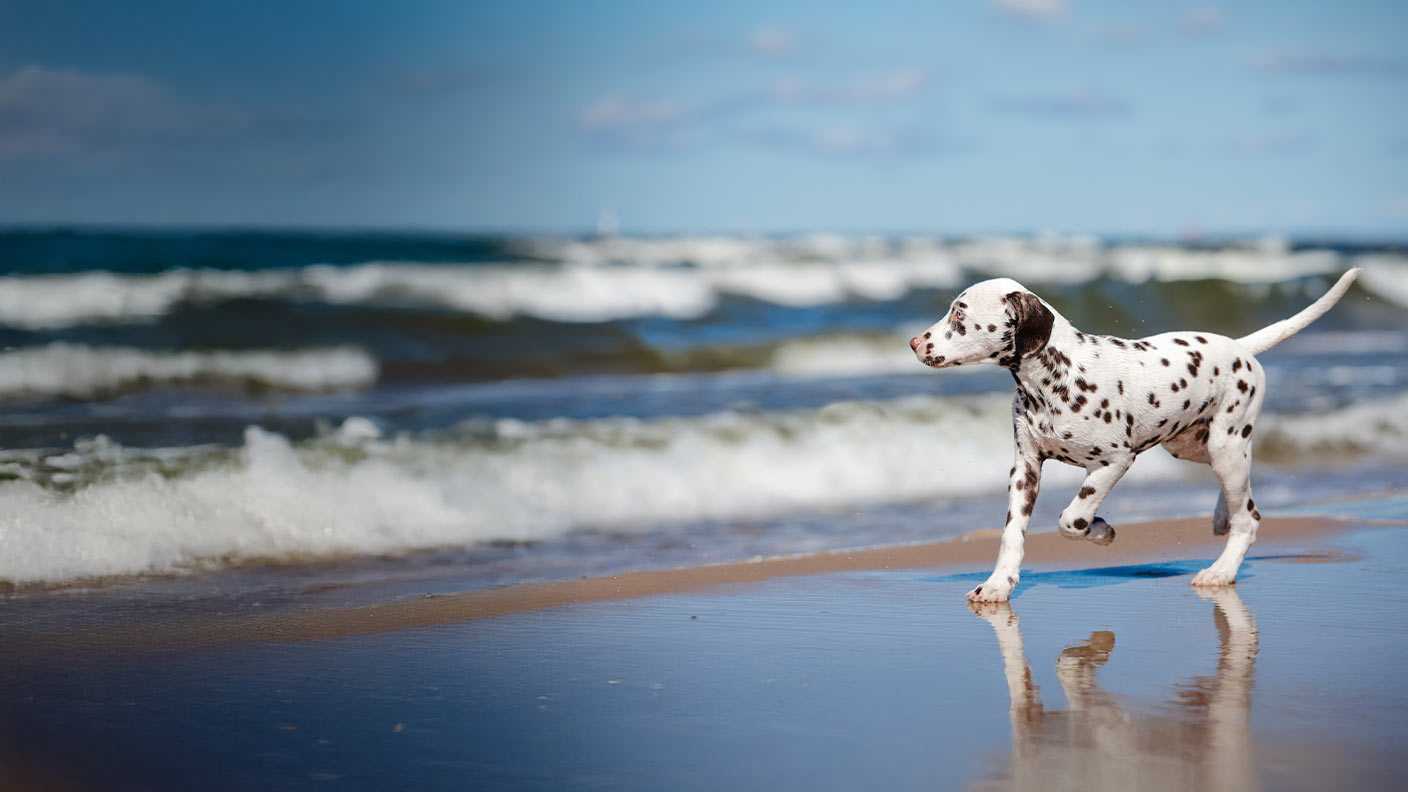
There’s no mistaking a Dalmatian. With an athletic stature, striking speckled coat and lively personality, this breed captures the hearts of animal lovers worldwide. The Dalmatian breed historically served as carriage dogs and guard dogs, but today they’re a playful, energetic breed that thrive on human companionship.
If you’re considering welcoming a Dalmatian dog to your home, it’s worth getting up to speed with this majestic breed. Read on for more information about Dalmatian characteristics, price, care advice and more.
| Labrador facts | |
|---|---|
Lifespan | 11 – 15 years |
How much | £300 – £1,800 |
Size | 70 – 76 cm |
Weight | 20 – 35 kg |
Colours | White and black or liver-coloured spots |
Grooming | Weekly brushing required |
Temperament | Playful, sensitive, lively |
Exercise | Two hours per day |
Insurance for your Dalmatian
Dalmatians are generally a healthy breed, but accidents and illnesses can occur at any time, so it’s wise to take out dog insurance as soon as possible. Dog insurance can help to cover the costs of treatments, medication and vet bills, giving you one less thing to think about.
Common Dalmatian health issues include:
- Dalmatian bronzing syndrome
- Hip dysplasia
- Hereditary deafness
- Bladder stones
How to care for a Dalmatian
Dalmatians are large dogs with high energy levels to match – so zoomies are commonplace. Their feeding, grooming and exercise needs may be more suitable for experienced pet parents. But like other breeds, your pooch will thrive with the right level of love, care and attention.
Feeding and nutrition
Your Dalmatian’s diet will vary depending on their lifestyle and age. Feeding them well-balanced, high-quality dog food can keep them in ideal shape. Always check the food packaging for instructions on how much food to give them.
Dalmatians can be prone to bladder stones, so consider a low-purine diet with limited beef, liver and kidney. It’s also worth holding back on table scraps, as Dalmatians can have a high level of uric acid.
When bringing your dog home for the first time, try to feed them at the same time every day to build a routine. Make sure to leave a gap after eating before taking your furry friend out for some exercise.
Grooming
Dalmatians are one of the most recognisable breeds in the world, and it’s all thanks to their coat. Short, dense and dotted with spots, a Dalmatian’s coat is fairly low maintenance.
You can get away with occasional baths and a weekly brush with a horsehair mitt or rubber comb. But Dalmatians do shed a lot – especially during spring and autumn – which can tickle the noses of people with fur allergies.
The breed are also prone to skin allergies, so consider shampoos and products that are designed for sensitive skin. Always trim their nails once a month, brush their teeth weekly and check their ears for any signs of infection.
Exercise
Dalmatians are energetic dogs that need regular exercise to stay fit and healthy. They’re well known for their endurance and speed you’ll need to take them on lots of walks to use up their energy.
Your Dalmatian will need at least two hours of exercise a day – whether that’s through free running or a brisk walk on a lead. They can easily get into mischief without enough physical and mental exercise, so don’t forget to introduce fun puzzle games too.
Training
Dalmatian dogs are as intelligent as they are active, so they are easily trained. Thanks to their history as carriage dogs and firedogs – Dalmatians are at their best when they have a job to do.
Structured training sessions that cater to their high energy levels and bright nature works well for them. This can include fetch, agility training, puzzle toys and interactive games.
This breed can be very sensitive, so positive reinforcement such as treats, praise and head pats are a must. It’s important to train and socialise your Dalmatian early to ensure they grow into a confident, well-mannered companion.
Temperament and behaviour
Dalmatians make great companions thanks to their energetic and playful personalities. They’re friendly, outgoing pups that enjoy being part of the family. They’re also people-orientated and are great with kids when properly socialised and supervised.
While they’re generally well-mannered, Dalmatian dogs can be reserved when meeting new people. Early socialisation and training are essential.
So, is a Dalmatian right for you?
Dalmatians are delightful dogs with a friendly, outgoing nature. They’re great with humans young and old, and can easily fit in with full, active households.
With such low maintenance fur, grooming your Dalmatian is easier than other breeds. They’re also well-trained, as long as you take the proper time to socialise and train them.
So, whether you want one or 101 Dalmatians, make sure you have enough of love and attention to spare. And plenty of space too.
Frequently asked questions
Do Dalmatians have a lot of health issues?
Dalmatians are susceptible to a few health issues but they are generally healthy dogs. Keeping up with vet appointments and vaccinations can help to keep your dog happy and healthy.
Are Dalmatians good family pets?
Dalmatians are great with older kids and adults, making them good family pets. They can be energetic, but their stamina and muscular build may not suit every everyone, so consider your household before bringing one home. As with other dogs, never leave your Dalmatian unsupervised with children, vulnerable adults or older people.
How long does a Dalmatian live?
The average Dalmatian lifespan is 11-15 years.
How big are Dalmatians?
Dalmatians are medium-to-large dogs that can reach up to 76 cm tall and weigh up to 35 kg. Their height and distinctive spotty coat make them one of the most recognisable breeds in the world.