Bulldog dog breed
Learn more about the courageous Bulldog personality and temperament in this guide. Information and advice.
Pet Insurance provided by Pinnacle Insurance Ltd.
Information on how we collect and use your personal data is available to read in our Privacy Policy
Bulldog dog breed information and advice
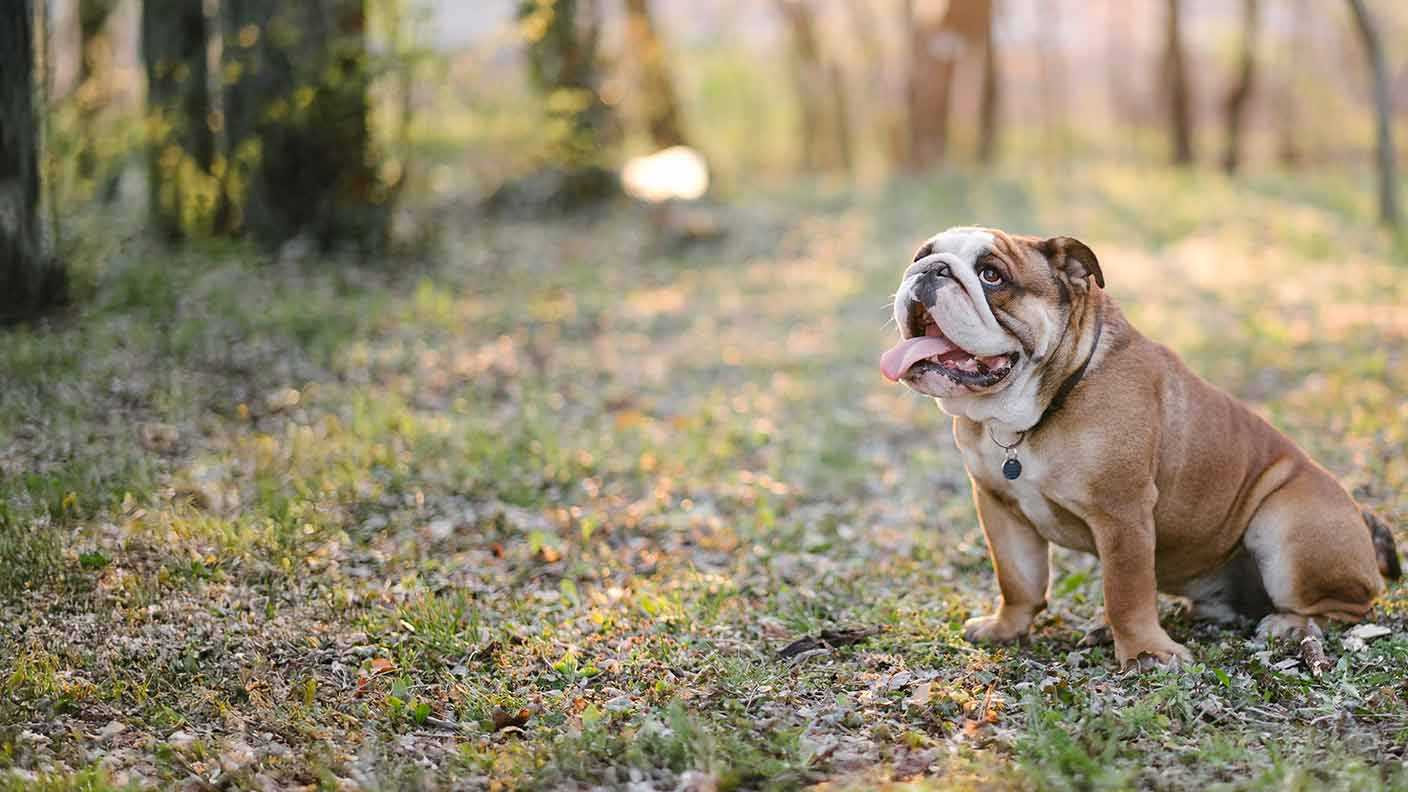
There’s no mistaking the Bulldog; chunky, laid back with grizzled good looks, this dog breed is instantly recognisable and popular. Welcome a Bulldog, also known as an English Bulldog or Bull Dog, into your home and what can you expect?
A friendly bundle of fun who’ll probably spend most of their time dozing – but they’ll look ever-so cute doing it.
If you’re looking at introducing a Bulldog puppy to the family, get up to speed with English Bulldog facts so you know what to expect when you bring your new best friend home.
Find out more about Bulldog temperament, their size, weight, and life expectancy, as well as Bulldog health issues to be aware of.
| Bulldog facts | |
|---|---|
Lifespan | 8 – 10 years |
How much | £1300 – £3700 |
Size | 31 – 40 cm |
Weight | 23 – 25 kg |
Colours | Brindle, piebald, solid red, fawn or white |
Grooming | Once a week |
Temperament | Docile, friendly |
Exercise | 30 minutes daily |
Insurance for your Bulldog
Unfortunately, Bulldogs are known for suffering from specific breed-related health issues that they may need treatment for at some point in their lives. These include:
- Distichiasis
- Entropion/Ectropion
- Dystocia
- Brachycephalic airway obstruction syndrome (BAOS)
It’s very important for you to consider getting pet insurance for your Bulldog to make sure these conditions are covered.
If you do decide to get pet insurance, you should do this as soon as possible – before any of these diseases develop – as you will not be able to claim for existing conditions.
Treatments can be expensive and a cause for concern for most dog owners. Dog insurance may help cover your dog’s health care needs, like paying for surgery, medication and vet consultations. As with all insurances, policy limits, excesses and exclusions will apply.
How to care for a Bulldog
The British Bulldog is an easy-going breed, and their grooming and exercise needs are minimal. But there are some common English Bulldog health conditions to keep an eye out for.
Feeding and nutrition
Ask the breeder which dog food they have been feeding your Bulldog puppy, you should continue to feed your dog this food when you take it home. Do not change the food brand or type quickly as it will cause an upset tummy.
To change the food, add small amounts of the new food to the old food, gradually removing some of the old and replacing with some of the new.
A Bulldog puppy should be fed three to four times a day, reducing the times and increasing the amount per portion as they get older. An adult Bulldog should look to be fed one to two times a day. Splitting the food into two meals will keep your Bulldog feeling satisfied for longer.
Bulldogs are chunky by design, but don’t give them the chance to tip over the scales. Make sure you weigh their dog food, using the guidelines on the back of the food packaging.
Nutritional content is also available on the packaging; speak to your vet if you are unsure of the nutrients you need to keep your Bulldog healthy.
Grooming
Bulldog grooming needs are fairly minimal; they do shed but not as much as other breeds. Brushing your dog once a week will help to remove loose hairs.
You should bathe your English Bulldog at least once a month to keep their coat clean and skin healthy. Clean their face and ears with a damp cloth but not with dog shampoo, to avoid causing any irritation.
Check your dog’s eyes and ears regularly for signs of infection, including redness or inflammation.
Your dog will need their claws trimming every three to four weeks. If left too long they can curl around and dig into the paw, causing pain and an infection. You can learn to cut the nails yourself or take your dog to a groomer or your vet. When cutting nails be careful of the quick (the centre of the nail), as it has nerves and blood vessels within it.
Exercise
Walking your dog is the best form of exercise. Your English Bulldog will need about 30 minutes of exercise daily; it's best to split this time into two shorter walks, especially in hot weather conditions. This will prevent your dog from getting too hot. Playing games with your dog is another great form of exercise and will mentally stimulate them.
Training
Bulldogs are obedient and learn quickly. They're food driven so use treats as a reward to help with the training. You will have greater success if you start teaching your dog from a young age. Most breeders will have started toilet training your English Bulldog training as a puppy, but this is usually done with puppy pads. To continue this on to house training, give your dog lots of chances to go to the toilet outside. Every time they head towards the puppy pad, let them go out or take them out. You may have more success if you put a puppy pad outside to start with. For more training tips, you can attend training classes.
Temperament and behaviour
Bulldogs have a gentle temperament. They make friends easily, with both people and dogs. They can also get along with cats if they are raised with them from a young age. They can be possessive over their food, so should be fed separately to other animals.
The docile Bulldog personality makes them easy to train and they are generally well behaved – albeit a little bit stubborn if they want to be. If left alone, it is best to give them toys to play with to keep them entertained. They like to chew and will happily chew on a shoe if that is all they have around.
So, is a Bulldog right for you?
If you’re looking for a friendly, docile companion to join your family, a Bulldog could be the dog for you.
Their low maintenance exercise and grooming needs mean that they are one of the easier dog breeds to care for. They won’t demand lots of attention, but they do enjoy a cuddle and some playtime.
Frequently asked questions
How long do British Bulldogs live?
British Bulldogs have an average lifespan of eight to ten years. This can be affected by health problems, so it’s important to take your dog for regular vet health checks. Most conditions can be treated or managed, preventing your dog from being in pain. Exercise and the correct diet will keep your dog happy and healthy.
Are Bulldogs dangerous?
English Bulldogs are not considered a dangerous breed. They’re friendly with other animals and people and rarely show signs of aggression. You should socialise your dog from a young age to teach them not to fear other dogs.
Do Bulldogs shed?
All dogs shed to some extent, but the Bulldog is a minimal shedder. You should brush your dog weekly to help remove any loose fur and keep their coat clean and healthy.
Can Bulldogs swim?
Bulldogs find it difficult to swim due to their short noses. They have to tilt their head back to keep their nose out of the water, which causes their backend to drop, making it difficult to stay afloat. You should keep your dog away from deep water or fit them with a doggy life jacket to help them stay afloat.