Boxer dog breed
Ready to welcome a playful Boxer into your home? Find out about the Boxer dog temperament and lifestyle needs with Sainsbury’s Money.
Pet Insurance provided by Pinnacle Insurance Ltd.
Information on how we collect and use your personal data is available to read in our Privacy Policy
Boxer dog breed information and advice
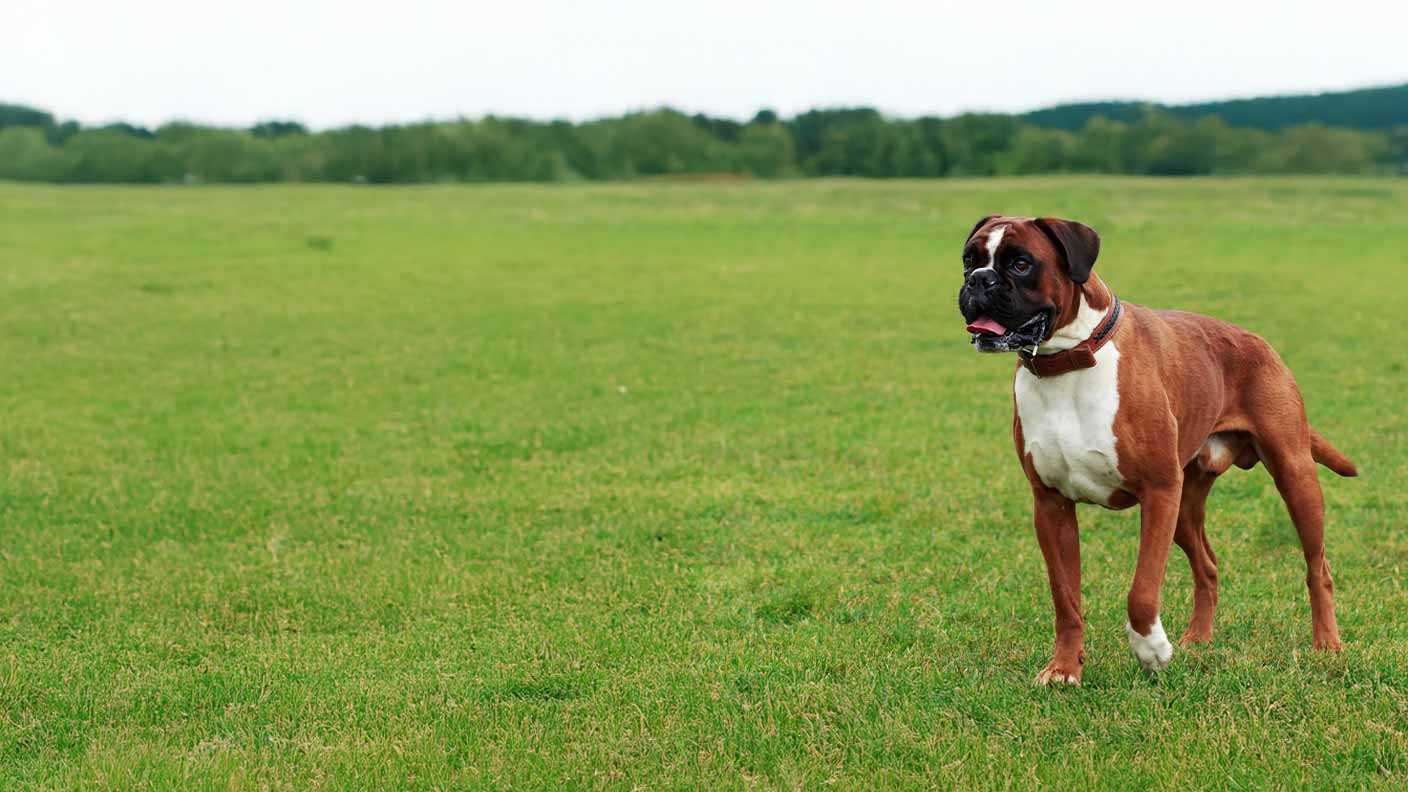
Boxers are as playful as they are patient, and as affectionate as they’re athletic. With their upbeat, intelligent and curious temperament, Boxer dogs can make perfect companions.
They’re distinctive thanks to their athletic appearance, short muzzle, dark brown eyes and wrinkled forehead. Boxers tend to be boisterous but with the right training they can be suitable for homes with children.
Read on for more information about Boxers, including their size and temperament, to see if you could offer a suitable home for this playful breed.
| Boxer facts | |
|---|---|
Lifespan | 10 – 12 years |
How much | £800 – £2,500 |
Size | 53 – 63 cm |
Weight | 25 – 32 kg |
Colours | Fawn and brindle, often white markings. They can also be fully white in colour. |
Grooming | Once a week |
Temperament | Playful, loyal, strong |
Exercise | Two hours a day |
Insurance for your Boxer
Health problems can occur at any stage of your Boxer’s life, so it’s wise to get puppy insurance for your Boxer puppy right from the get-go. Boxer dog insurance may help you with the costs of treatments, consultation, medication and even surgery if your poorly pooch needs it.
Common health problems that can affect Boxers include:
- Hip dysplasia
- Brachycephalic obstructive airway syndrome (BOAS)
- Cancer
How to care for a Boxer
From feeding and grooming requirements to exercise needs, there’s a lot to know before welcoming your new best friend into your life. Boxers are a working breed, and you may find they need more exercise than other furry friends.
Here’s a starting point on what you need to know when taking home your Boxer dog or puppy.
Feeding and nutrition
Your Boxer’s diet will depend on their age. You’ll need to choose a high-quality, balanced dog food to keep them happy and healthy. Check the packaging for accurate instructions on how much to feed your dog dependant on their age and weight.
Boxers can be prone to bloating and stomach problems, so smaller more frequent meals are often recommended. Don’t forget to consider any treats you give your dog during training – you may need to reduce their daily allowance to make room for extras!
When you take your Boxer puppy home for the first time, you should continue the feeding habits they’re used to – at least until they’ve settled in. The breeder or rescue should be able to advise you.
Grooming
Boxers have short, shiny coats that don’t require much grooming. Weekly brushing should keep them in tip top condition.
This also means that they should only need bathing occasionally – unless they’ve been on muddy walks. Any nose wrinkles should also be kept clean and dry.
Their nails should be trimmed every month unless they naturally wear down. Plus, regular teeth brushing will help to prevent tartar build up and breath fresh.
Exercise
Boxers are very active dogs with high energy levels. They keep their puppy personalities longer than other breeds, so they need lots of playtime! Your Boxer should have a minimum of two hours of exercise a day – this can include walks, training sessions and time to run around in the garden.
It's important that their exercise needs are met as they may become destructive if left alone in the house with too much pent-up energy. It’s recommended to split walks out throughout the day to prevent them from overheating – which can be common in flat faced breeds.
It’s also important to keep all dogs mentally stimulated by playing lots of mind games and puzzles to keep them entertained.
Training
Lucky for you, Boxers are a joy to train as they’re intelligent and enjoy working with their owners. Just be prepared that they can get bored easily and may try to get up to mischief instead.
Thanks to their high energy, Boxers need on-going training from when they’re a puppy to ensure they’re well behaved and controllable.
Boxers also excel in agility, obedience, herding and are known to be used as both assistance and therapy dogs.
Temperament and behaviour
Boxers are vocal dogs. They tend to make a growling noise, which is their way of talking. You might even notice they snore. They’re also naturally protective and make good guard dogs.
The breed was originally bred as a working dog for hunting large prey. But their temperament is kind, playful and loyal, so they make affectionate family pets too – as long as their exercise needs are met. They love playing with their owners and thrive with company.
Boxers are best suited to families that wish to have their furry friend with them the majority of the time, with enough room and garden space to allow them to run around and use their energy. If you live in a built-up area, regular walks are essential.
So, is a Boxer right for you?
If you have an active lifestyle and can dedicate a lot of time into training and exercising, a Boxer could a great addition to your family. With their playful and loving personalities, Boxers are a joy to welcome into your home – you just need to give them the time and space to thrive in for their high-energy needs.
Frequently asked questions
Are Boxer dogs dangerous?
While Boxers have received a reputation in the past for being aggressive or dangerous, these characteristics are not usually in their nature. Boxers are loving, loyal and playful dogs that make perfect family pets. They are strong and powerful, so do need an owner that is capable of training them well. If they do appear aggressive, it could be caused by fear, being territorial or lack of socialisation.
Are Boxers high maintenance?
Yes, Boxers can be classed as a high maintenance breed due to their high-energy levels and exercise requirements. Being a working dog, they need more stimulation that other more docile breeds.
Can Boxers be left alone?
Like all dogs, Boxers shouldn’t be left alone for prolonged periods of time. But as Boxers love human company so much, they can develop separation anxiety. This may cause them to be destructive in your home if their needs aren’t met.