Bichon Frise dog breed
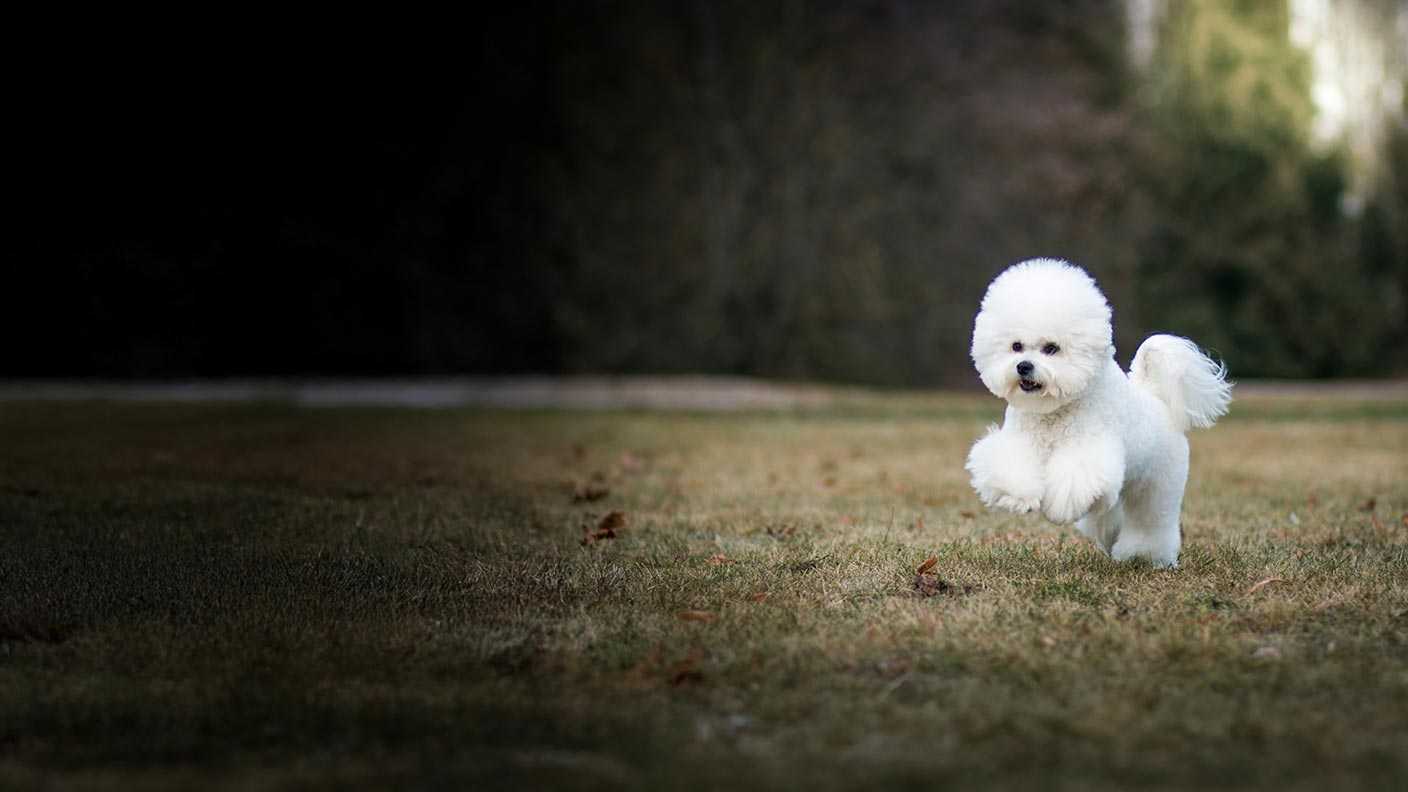
Bichon Frise dogs are instantly recognisable thanks to their white curly fur and loving personality. Find out how to groom, train and take care of a Bichon Frise in this guide.
Pet insurance provided by Pinnacle Insurance Ltd.
Information on how we collect and use your personal data is available to read in our Privacy Policy
Bichon Frise dog breed information and advice
Considering welcoming a friendly, playful Bichon Frise into your life? Caring for any dog is a big commitment, so it’s important that you’ve done your research on different breeds before you choose a Bichon Frise.
This guide contains everything you need to know about Bichon Frises. Find out if they’re an easy breed to train, how much exercise they need and how often they need grooming.
| Bichon Frise facts | |
|---|---|
Lifespan | 12 – 15 years |
How much | £500 – £2,500 |
Size | 23 – 28 cm |
Weight | 3 – 6 kg |
Colours | White, cream, apricot |
Grooming | Brush two to three times a week and monthly haircuts |
Temperament | Affectionate, playful, intelligent |
Exercise | 30 minutes per day |
Insurance for your Bichon Frise
Illness and injuries can happen at any age and treatment can be expensive. If you take out dog insurance for your Bichon Frise, this can help cover the cost of vet bills for surgery for and medication. This means you can afford to give your dog the care that it needs.
As with many pedigree breeds, Bichon Frise are more susceptible to developing certain health conditions. Common health problems in this breed include:
- Luxating patella
- Legg Calve Perthes disease
- Periodontal disease
How to care for a Bichon Frise
Bichon Frises are not big eaters, but they are high maintenance when it comes to grooming. They don’t need much exercise, but they do love to socialise and play. Find out how to care for your Bichon dog so they have a healthy, happy life.
Feeding and nutrition
Some Bichon Frises are picky eaters, so it’s best to stick to food they like, as they might turn their noses up otherwise. Changing dog food can also upset their tummies, especially if it’s done quickly. Make sure the food you choose contains the nutrients needed for your dog. Ask your vet if you are unsure.
It's better to feed Bichon Frise puppies smaller meals more often, rather than one meal a day. Feed a puppy three to four times a day and as they get older move to twice a day. You’ll find guidelines on how much you should feed your Bichon Frise on the back of the food packaging.
Grooming
The Bichon Frise coat is perfect for fancy haircuts, but unfortunately those tight curls are prone to matting. You’ll need to brush your dog two to three times a week to keep their coat knot-free and healthy.
The Bichon Frise coat is thick and dense, so it will need washing every one to two weeks. Find a groomer your pooch is comfortable with and book them in for regular haircuts to keep their coat clean and healthy. Some people like the circular facial cut, but it’s up to you what style you want to go for.
Exercise
Bichon dogs aren’t big walkers, so 30 minutes to an hour of daily exercise is enough. They’re happy to accompany their owners on a stroll, and they love to play and socialise with other dogs. Teaching your dog tricks is a great way to exercise them and keep them entertained. To them, it’ll feel like they’re playing a game. It’s easier to train puppies, but even an old dog can learn new tricks.
Training
Bichon Frises are intelligent and want to please their owner, making them easy to train. But they can be stubborn and difficult when it comes to house training. You’ll need to be patient and dedicated, especially when toilet training a puppy.
Dogs naturally prefer to do their business on soft surfaces outside, like grass or soil. Take them out for toilet breaks regularly when they’re puppies, so they’re less likely to have accidents in the house.
Temperament and behaviour
Bichon Frises are friendly, intelligent and playful dogs. They’re good with children and other pets and easy to train. Bichon dogs like nothing better than spending time with their owners, and love being the centre of attention. However, this can mean Bichon dogs struggle when left alone.
Separation anxiety can cause them to bark or become destructive, so they shouldn’t be left alone for too long. Giving them toys to play with or a companion will also help.
Bichon Frises have a gentle temperament but may show signs of aggression if they’re scared. You should socialise your dog from a young age so that they learn not to fear other dogs. Puppy classes and dog walking groups are a great way to exercise and socialise your dog.
Frequently asked questions
What is a Bichon Frise?
Bichon Frise is a small breed of dog. The breed existed in Mediterranean countries in the 14th century but their name is French. The word ‘bichon’ means white dog, and ‘frise’ is used to describe their soft, curly coat. Bichon Frise translates to curly lap dog - a perfect description.
How long do Bichon Frises live for?
Bichon Frises have a life expectancy of 12-15 years – many years of happiness with your best friend. Their lifespan is affected by their health, so it’s important to give them the correct care. Diet, exercise, training and grooming will all affect their quality of life.
Do Bichon Frises shed?
You may be surprised to find out that Bichon Frises don’t shed. They have a lot of hair which should be brushed at least two to three times a week to keep it smooth and tangle free. Most Bichon Frise owners will take their dog to a professional groomer monthly to keep their fur trimmed.
Are Bichon Frises hypoallergenic?
No dog is fully hypoallergenic, but the Bichon Frise coat doesn’t shed, so allergy suffers are less likely to react to this breed. But you can still be allergic to a Bichon Frise as it’s the skin cells and saliva that can cause reactions.
Is a Bichon Frise right for you?
If you’re looking for an affectionate companion, who is as friendly as they look, then this is the dog for you. Make sure you have lots of time and love to give though, as they can be quite needy.